
From Publication to Recognition: 10 Strategies to Enhance Research Visibility and Citations
A practical, ethical post-publication roadmap for researchers who want their work to be found, understood, discussed and used.

Publication is a milestone, not the finish line. A strong study may remain largely unseen if readers cannot find its abstract, access the article, understand its relevance or connect it with the author. The aim of post-publication communication is not to manufacture citations: it is to make trustworthy evidence easier to discover, assess and use.
1Why Good Research Sometimes Receives Few Views or Citations
Visibility depends on more than scientific quality. An imprecise title, incomplete metadata, poor indexing, inaccessible full text and limited outreach can all restrict readership. Citations also accumulate slowly and differ across specialties, study designs and publication years. A niche clinical study can be highly useful despite modest citation counts.
2Make Your Paper Easy to Find: Titles, Keywords and DOI
Confirm that the publisher displays the correct title, author names, affiliations, abstract, keywords and digital object identifier (DOI). Use the terms your intended audience searches for—for example, “anterior cruciate ligament reconstruction” rather than only an abbreviation. Avoid keyword stuffing and misleading claims. If metadata is wrong, request a publisher correction through the appropriate channel.
3Strengthen Your Author Identity with ORCID and Research Profiles
Create or update your ORCID record and connect publications to the correct identity. Maintain an accurate institutional profile and, where relevant, Google Scholar, Scopus Author ID and Web of Science Researcher Profile. Merge duplicate records only after checking they truly belong to you. Consistent naming and affiliations help readers attribute work correctly, but profiles do not automatically raise research quality or citation counts.
4Improve Legitimate Access to the Full Text
Share the publisher’s DOI link and check whether an open-access version is available. Where the publishing agreement permits, deposit an accepted manuscript in an institutional or subject repository and clearly identify its version. Do not upload the publisher PDF to unauthorized sites or assume that all journals permit the same sharing practices. Open access improves potential availability, not guaranteed readership.
5Turn Complex Findings into Clear, Shareable Messages
Prepare a 100–150-word plain-language summary answering: What was the clinical question? What was studied? What was found? Why does it matter? Include absolute effects, uncertainty and limitations when relevant. A graphical abstract, one-page evidence summary or concise clinical slide can help busy clinicians understand the result without replacing the full article.
6Share Strategically with the Right Scientific Audience
Use institutional websites, professional societies, journal clubs, conference presentations, research newsletters and professional social networks. Explain the practical relevance of the study rather than posting only a link. For orthopaedic research, a brief summary tailored to arthroplasty surgeons, sports surgeons or rehabilitation specialists is more useful than broad repetitive promotion. Disclose relationships and follow journal embargoes.
7Use a Structured 30–90-Day Post-Publication Plan
A short promotion calendar helps authors act consistently without overwhelming their audience. Start with accurate metadata, then create accessible summaries, engage relevant communities and review early indicators of reach.
8Make the Research Reusable and Credible
When ethically and legally appropriate, share study protocols, reporting checklists, code, data dictionaries or de-identified datasets in reputable repositories. Provide clear access conditions and preserve participant confidentiality. Cite the dataset or protocol DOI where applicable. Transparent materials can support scrutiny, replication and future collaboration.
9Understand Views, Downloads, Citations, h-Index and Altmetrics
Different metrics answer different questions. Article views indicate page traffic; downloads indicate file access; citations indicate mentions in later scholarly work; author-level indices summarize citation history; and Altmetric attention reflects selected online conversations. None alone proves clinical benefit or methodological quality.
| Metric | Useful for | Important limitation |
|---|---|---|
| Article views / downloads | Tracking discoverability and access | Counts can differ by publisher and platform |
| Citation count | Monitoring scholarly uptake | Affected by article age, field and database |
| h-index | Describing an author’s citation record | Disadvantages early-career researchers; varies by database |
| Altmetric Attention Score | Following selected online mentions | Attention may be critical or unrelated to quality |
| Guideline / policy citation | Identifying possible downstream use | Requires qualitative review of how work was used |
10Build Lasting Impact Through Engagement and Follow-Up Research
Respond constructively to methodological questions, participate in professional discussions, and collaborate on clinically relevant follow-up studies. Update the article’s public summary if a correction or major new finding changes its interpretation. Consider whether the work informs systematic reviews, consensus statements, guidelines or patient care, but never claim impact without evidence.
What Should Authors Avoid?
Avoid citation exchanges, coercive self-citation, purchasing attention, fake engagement, mass unsolicited messaging, predatory promotion services and exaggerating clinical findings. Ethical visibility means helping the right readers evaluate real evidence—not manipulating the metrics.
A Practical Checklist Before and After Sharing
| Action | Status to check |
|---|---|
| DOI, title, abstract, author list and affiliations | Accurate on publisher website |
| ORCID and author profiles | Publications correctly linked |
| Repository or open-access link | Allowed by publishing agreement |
| Plain-language summary and graphical abstract | Faithful to results and limitations |
| Professional outreach | Relevant, transparent and non-spammy |
| Metric review | Baseline and periodic comparison recorded |
Conclusion: From Being Published to Being Useful
The strongest post-publication strategy combines sound research, searchable metadata, legitimate access, clear communication, professional engagement and careful interpretation of metrics. Citations are one sign of scholarly uptake, but meaningful impact also includes better questions, stronger future studies and informed clinical decisions. Publish responsibly, communicate clearly and let the evidence—not promotional promises—drive influence.
Frequently asked questions
How can I increase citations after publication?
Make the article discoverable and accessible, communicate its findings accurately, and engage relevant researchers. No ethical strategy guarantees citations.
Does sharing on social media improve research impact?
It may increase exposure and discussion, but a direct causal increase in citations is not assured.
Which is better: Google Scholar citations or Scopus citations?
Neither is universally better. Their database coverage differs, so compare like with like and identify the source.
Can an article have high views but few citations?
Yes. Patients, trainees or clinicians may read it without publishing later work that cites it.
How soon should I check metrics?
Review early engagement after several weeks and citations over longer intervals, recognizing substantial field and publication-age differences.
Authoritative Resources and Further Reading
- ORCID — researcher identification and publication records: https://orcid.org/
- Crossref — DOI metadata and research linking: https://www.crossref.org/
- Google Scholar — author profiles and citation tracking: https://scholar.google.com/
- DORA — responsible research assessment: https://sfdora.org/read/
- Leiden Manifesto for Research Metrics (Nature, 2015): https://doi.org/10.1038/520429a
- ICMJE Recommendations — publication and editorial ethics: https://www.icmje.org/recommendations/
- EQUATOR Network — reporting guidelines: https://www.equator-network.org/
- Altmetric — understanding research attention: https://www.altmetric.com/
More from the Cepienta blog
- Research & publishing

Beyond Publication: How to Write High-Impact Orthopaedic Research, Impress Journal Editors, and Increase Citations
Learn how to publish impactful orthopaedic research, meet journal editor expectations, improve manuscript visibility and increase responsible scholarly reach.
- Research & publishing
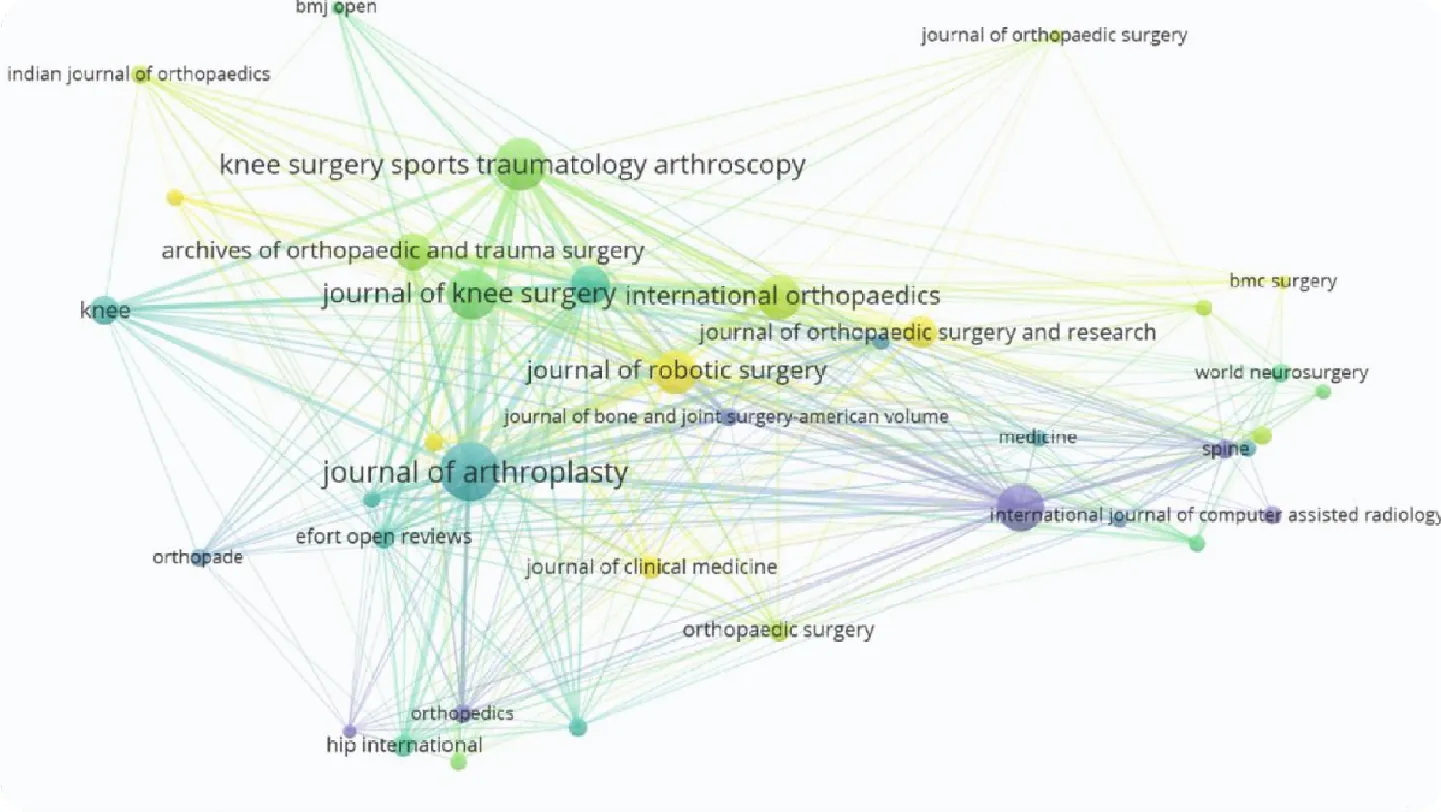
Beyond Publication: How to Write High-Impact Orthopaedic Research, Impress Journal Editors, and Increase Citations
An international guide to publishing meaningful research and improving its scientific visibility.
- Research & publishing
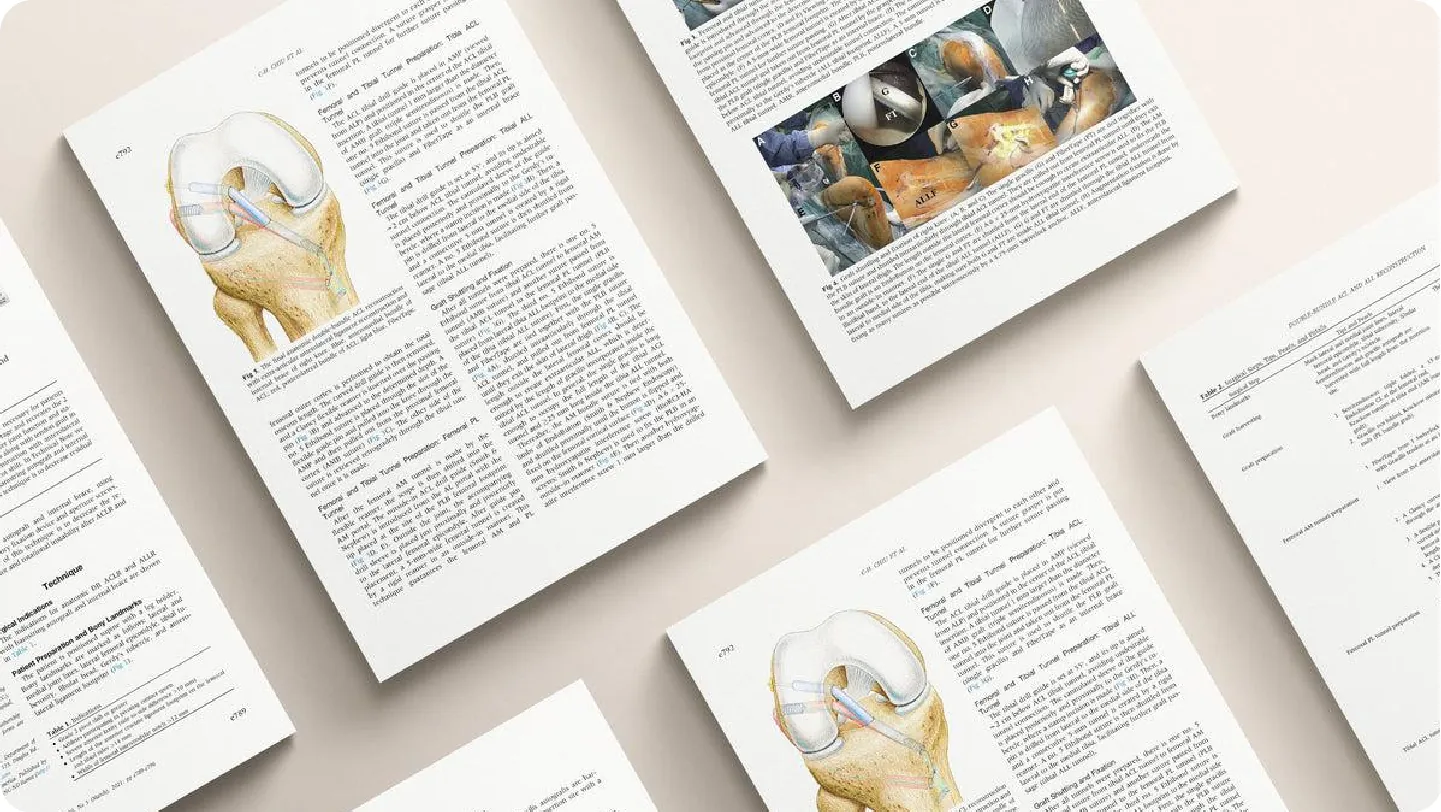
From Clinical Expertise to Published Book: How to Write a Medical Textbook or Become a Book Chapter Author
Learn how to write a medical textbook or book chapter, approach Springer and Elsevier, and prepare publisher-ready orthopaedic manuscripts with ORCA.