
Lower Back Pain: Causes, Treatment, and Exercises That Help
The World's Leading Cause of Disability
Lower back pain affected about 619 million people worldwide in 2020, roughly 1 in 13, and cases are projected to reach 843 million by 2050 (GBD 2021, Lancet Rheumatology; WHO, 2023). It is the leading cause of disability globally.
The good news: serious causes are rare, at around 1% of back pain seen in primary care, and most people recover with the right self-care and exercise.
In this guide you will learn:
- The 8 most common causes of lower back pain
- The warning signs that need urgent care
- Which treatments work, and which to avoid
- Simple, safe exercises you can start at home
8 Common Causes of Lower Back Pain
In at least 90% of long-lasting back pain, no single structural cause is found; doctors call this non-specific or primary back pain (WHO, 2023). The causes below are the ones doctors look for.
1. Muscle or Ligament Strain: The Most Common Culprit
A sudden lift, twist or awkward movement overstretches the back's soft tissues. Expect an ache and muscle spasm that usually settles within days to weeks.
2. "Slipped" (Herniated) Disc
The disc's soft centre bulges through its outer ring and may press on a nerve. Pain is often worse with sitting, bending, coughing or sneezing.
3. Sciatica: Pain That Shoots Down the Leg
An irritated nerve root sends burning pain, tingling or numbness through the buttock and down the leg, often below the knee.
4. Disc Wear and Facet Joint Arthritis
Age-related changes in the discs and small spinal joints cause stiffness, especially in the morning or after standing for long.
5. Spinal Stenosis: When Walking Hurts
Narrowing of the spinal canal in older adults causes leg pain or heaviness on walking that eases when you sit or bend forward.
6. Spondylolisthesis: A Slipped Vertebra
One vertebra slides forward on the one below. In teenage athletes it often follows a stress fracture; in older adults it follows wear.
7. Lifestyle: Desk Hours, Weight and Smoking
Long sitting, weak core muscles, excess weight and smoking all raise risk. Occupational factors, smoking and high BMI account for about 39% of back pain disability (GBD 2021).
8. Inflammatory and Serious Causes
Ankylosing spondylitis causes morning stiffness in young adults that improves with exercise. Rarely, back pain signals a fracture, infection or cancer.
When to See a Doctor: Back Pain Red Flags
Go to the emergency department if back pain comes with numbness around the genitals or bottom, bladder or bowel changes, or weakness or numbness in both legs (NHS).
Red-zone signs can point to cauda equina syndrome, a rare but serious compression of the nerves at the base of the spine that needs emergency treatment.
How Back Pain Is Diagnosed
Most back pain is diagnosed from your history and an examination. Scans are not routinely needed unless there are warning signs.
- History: how it started, where the pain spreads, leg symptoms and red flags
- Examination: spinal movement, plus nerve checks such as the straight-leg raise, reflexes, strength and sensation
- X-ray or MRI: when red flags are present, or when the result would change treatment, such as before an injection or surgery
- Blood tests: when infection, inflammation or cancer is suspected
Why a Scan Can Mislead
Disc changes are common in people with no pain at all. In pain-free adults, disc degeneration rises from 37% at age 20 to 96% at age 80 (Brinjikji et al., 2015). A "degenerated disc" on a report is often normal ageing, not the cause of your pain.
Treatment: What Works, and What to Avoid
First-line care is education, staying active and exercise; most people never need an injection or surgery. Treatment steps up only if simpler care has not helped.
What Helps
- Stay active: keep up daily activities and avoid long spells in bed (NHS)
- Heat or ice: heat for stiffness and spasm, ice for pain and swelling
- Exercise programmes and physiotherapy: the backbone of recovery
- Anti-inflammatory medicines: may help if safe for you; paracetamol alone is not recommended
- Manual therapy or massage: alongside exercise, not instead of it
- Psychological therapies such as CBT: for pain lasting more than three months (WHO, 2023)
- Specialist procedures and surgery: for persistent sciatica, stenosis or instability when other treatments fail
What to Avoid Routinely
The WHO advises against routine use of lumbar braces and belts, traction, and opioid painkillers for chronic back pain, because the harms likely outweigh the benefits (WHO, 2023).
8 Exercises That Help Lower Back Pain
Gentle, regular movement is one of the best treatments for back pain. Try these once a day, starting with fewer repetitions and building up.
| Exercise | How to do it | Suggested reps | Helps with |
|---|---|---|---|
| Pelvic tilt | Lie on your back, knees bent. Tighten your tummy to flatten your lower back into the floor; hold 5 seconds | 10 | Core control; a gentle start |
| Knee-to-chest stretch | Lie on your back and pull one knee towards your chest; hold 20–30 seconds | 3 per side | Lower back stiffness |
| Cat–camel | On hands and knees, slowly arch your back up, then let it sag down | 10 slow reps | Spinal mobility |
| Bird dog | On hands and knees, stretch out the opposite arm and leg, keeping your back level; hold 5 seconds | 8–10 per side | Core and back stability |
| Glute bridge | Lie on your back, knees bent, and lift your hips until knees, hips and shoulders line up; hold 5 seconds | 10 | Buttock and back strength |
| Prone press-up | Lie face down and press up on your forearms, keeping your hips on the floor | 10 | Disc-related pain that eases with arching |
| Child's pose | Kneel, sit back on your heels and reach your arms forward; hold 20–30 seconds | 3 | Relaxing stretch |
| Brisk walking | Start with 10 minutes and build up to 30 minutes on most days | Daily | Overall back health and fitness |
Exercise Safety Tips
- Mild discomfort is normal at first; sharp pain is not. Stop any exercise that makes pain much worse
- Stop and see a doctor if leg pain, numbness or tingling increases
- Swimming, yoga and Pilates are good longer-term options (NHS)
- A physiotherapist can tailor a programme to your back
Protect Your Back: Everyday Prevention Tips
- Move often: stand up and stretch every 30–60 minutes at a desk
- Lift smart: bend your knees, keep the load close and avoid twisting
- Stay strong: keep core and hip muscles strong with regular exercise
- Watch your weight: a healthy weight reduces load on the spine
- Quit smoking: smoking is linked to back pain disability
- Sleep well: a medium-firm mattress and a pillow between or under the knees can help
5 Things Every Patient Should Know
- Hurt does not always mean harm. Back pain can be intense without any serious damage.
- Bed rest slows recovery. Gentle activity speeds healing; long rest weakens muscles.
- Scan findings are common and often normal. Disc bulges and "wear" appear in many pain-free people.
- Recovery takes weeks, not days. Most back pain improves within a few weeks, but it can return; exercise lowers that risk.
- Surgery helps only a small group. It is reserved for specific problems, such as nerve compression that has not improved with other treatment.
8 Questions to Ask Your Doctor After Your Consultation
Write the answers down, or bring someone with you:
- What is the most likely cause of my back pain?
- Are there any warning signs I should watch for?
- Do I need a scan, and how would it change my treatment?
- Which exercises are safe for me, and how often should I do them?
- Should I see a physiotherapist?
- Which pain medicines are safe with my other health conditions?
- Can I keep working, driving and playing sport?
- How long should recovery take, and when should I come back?
The Bottom Line
Lower back pain is common, usually not serious, and often improves within weeks. Keep moving, do the right exercises, know the warning signs, and get expert help when pain persists.
Frequently asked questions
How long does lower back pain last?
Most back pain improves within a few weeks. Pain lasting more than three months is called chronic and benefits from a structured exercise programme.
Is walking good for lower back pain?
Yes. Walking is one of the safest ways to stay active. Start with short walks and build up gradually.
Should I use heat or ice on my back?
Use heat for stiffness or muscle spasm, and ice for pain or swelling. Wrap either in a cloth to protect your skin.
What is the best sleeping position for back pain?
Try lying on your side with a pillow between your knees, or on your back with a pillow under your knees.
Does a back belt or brace help?
Not for long-lasting back pain. The WHO advises against their routine use.
Can stress cause back pain?
Stress, poor sleep and low mood can make back pain worse and longer-lasting. Managing them is part of treatment.
When is back pain an emergency?
Go to the emergency department straight away for numbness around the genitals or bottom, bladder or bowel changes, weakness in both legs, or pain after a serious accident.
Which doctor should I see for back pain?
Start with your family doctor or GP. For leg weakness, persistent sciatica or pain that does not improve, see an orthopaedic spine specialist.
References
- GBD 2021 Low Back Pain Collaborators. Global, regional, and national burden of low back pain, 1990–2020, its attributable risk factors, and projections to 2050: a systematic analysis of the Global Burden of Disease Study 2021. Lancet Rheumatol. 2023;5(6):e316–e329. doi:10.1016/S2665-9913(23)00098-X. Link
- World Health Organization. WHO guideline for non-surgical management of chronic primary low back pain in adults in primary and community care settings. Geneva: WHO; 2023. Link
- World Health Organization. WHO releases guidelines on chronic low back pain. 7 December 2023. Link
- National Institute for Health and Care Excellence. Low back pain and sciatica in over 16s: assessment and management (NG59). London: NICE; 2016, updated 2020.
- Qaseem A, Wilt TJ, McLean RM, Forciea MA. Noninvasive treatments for acute, subacute, and chronic low back pain: a clinical practice guideline from the American College of Physicians. Ann Intern Med. 2017;166(7):514–530.
- Hartvigsen J, Hancock MJ, Kongsted A, et al. What low back pain is and why we need to pay attention. Lancet. 2018;391(10137):2356–2367.
- Foster NE, Anema JR, Cherkin D, et al. Prevention and treatment of low back pain: evidence, challenges, and promising directions. Lancet. 2018;391(10137):2368–2383.
- Brinjikji W, Luetmer PH, Comstock B, et al. Systematic literature review of imaging features of spinal degeneration in asymptomatic populations. AJNR Am J Neuroradiol. 2015;36(4):811–816. Link
- Hayden JA, Ellis J, Ogilvie R, Malmivaara A, van Tulder MW. Exercise therapy for chronic low back pain. Cochrane Database Syst Rev. 2021;9:CD009790.
- NHS. Back pain. Link
More from the Cepienta blog
- Spine
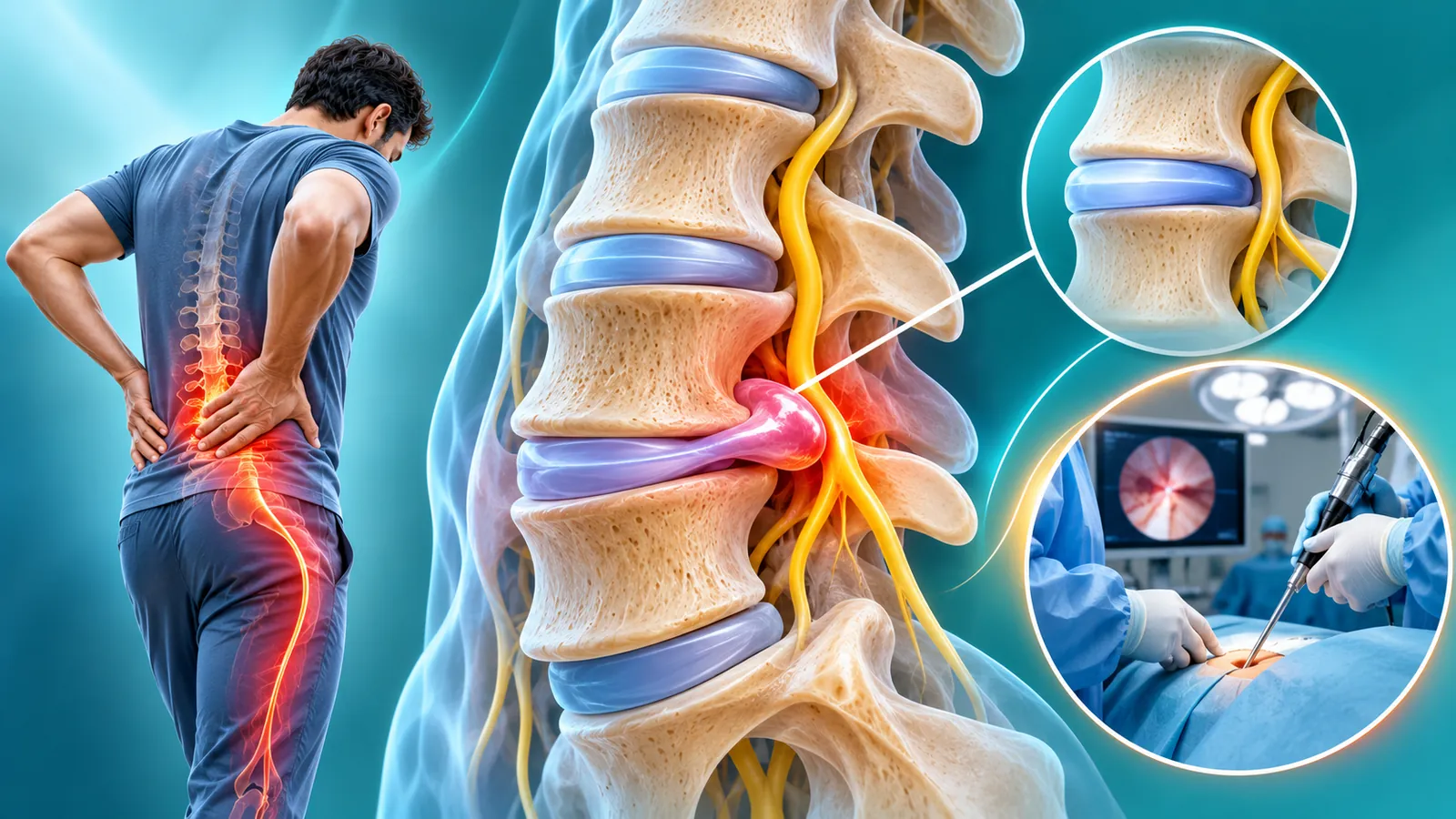
Herniated Disc: When Is Spine Surgery Necessary?
Does a herniated disc need surgery? Learn warning signs, sciatica treatments, MRI findings, microdiscectomy benefits, risks, and recovery timelines.
- Spine
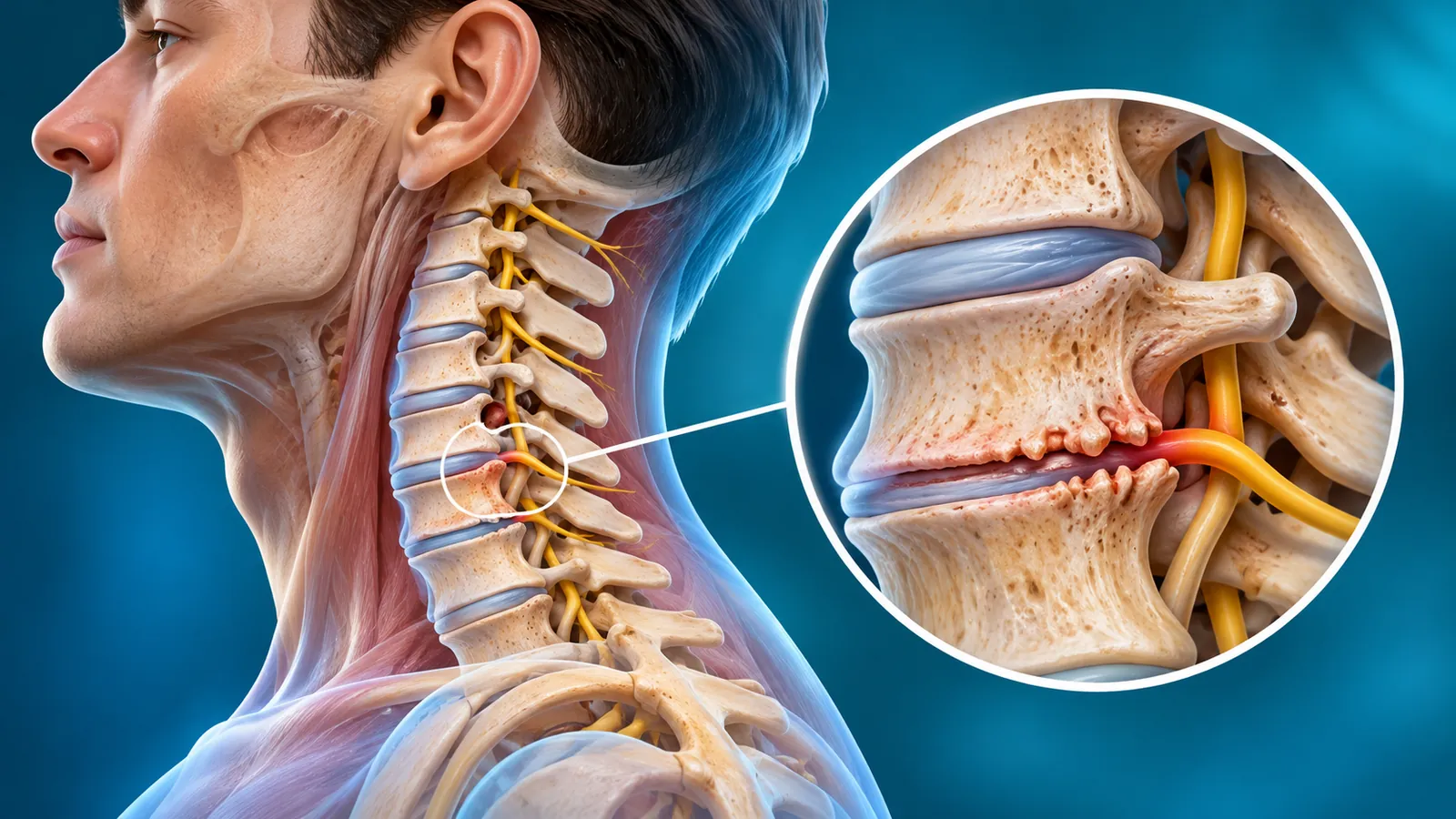
Neck Pain and Cervical Spondylosis: Causes, Symptoms, and Treatment
Neck pain or cervical spondylosis? Learn the causes, symptoms, nerve compression warning signs, exercises, treatments and when surgery may be needed.
- Spine
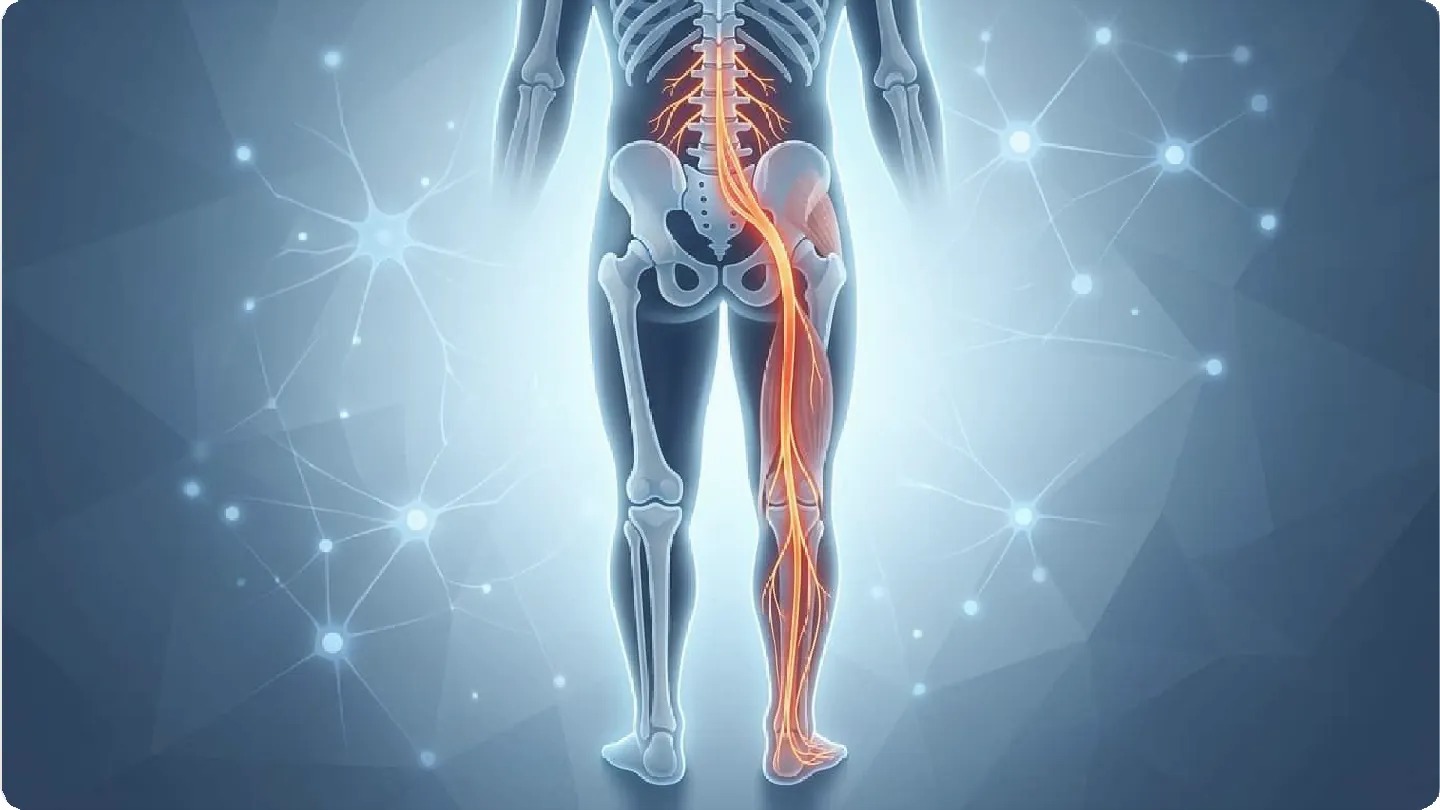
Sciatica vs. Lower Back Pain: How to Tell the Difference, Recognise Symptoms, and Find the Right Treatment
An evidence-based guide to understanding back pain, sciatica symptoms, nerve compression, diagnosis, and treatment options.