
Sciatica vs. Lower Back Pain: How to Tell the Difference, Recognise Symptoms, and Find the Right Treatment
An evidence-based guide to understanding back pain, sciatica symptoms, nerve compression, diagnosis, and treatment options.
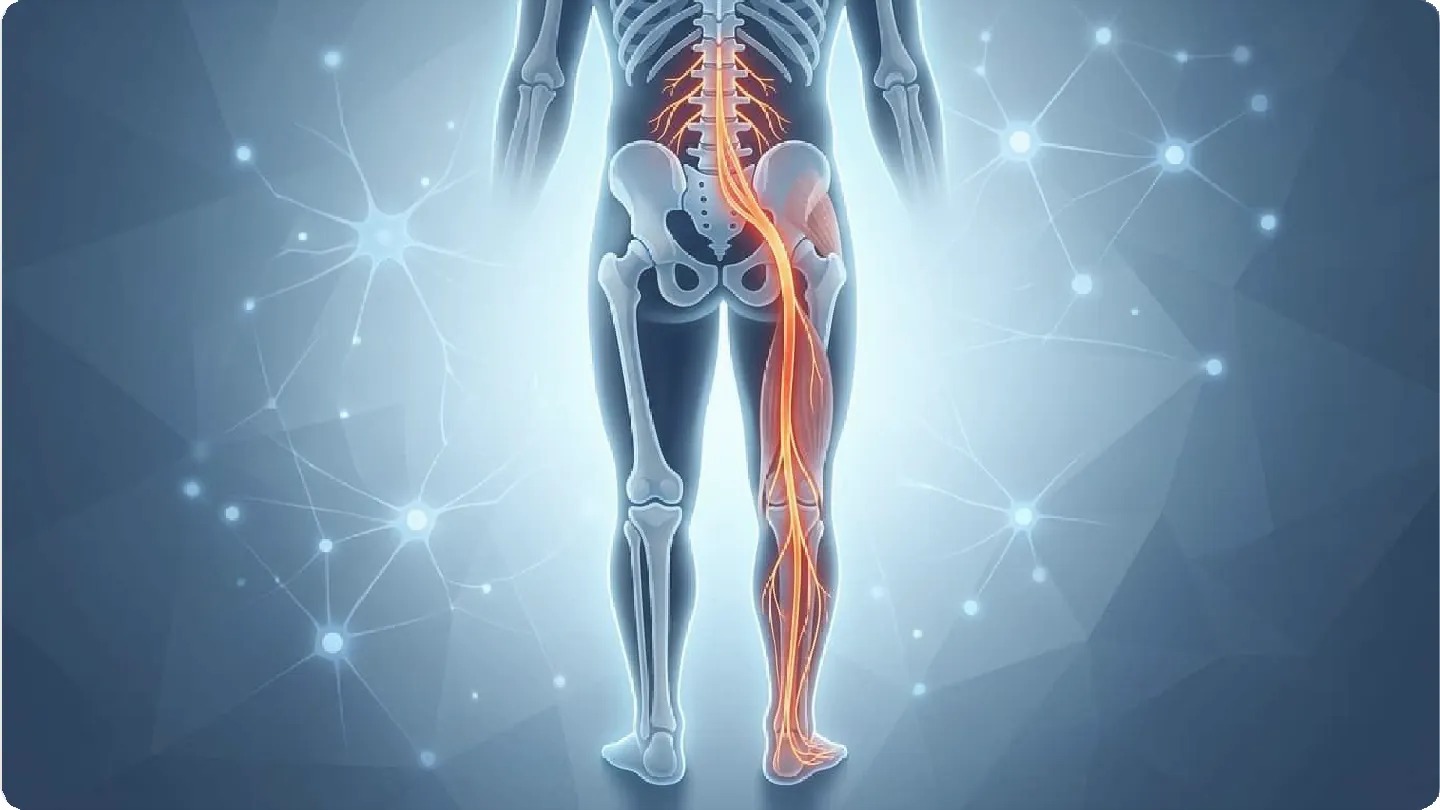 Image source: floridaboneandjoint.com
Is your pain limited to your lower back, or does it travel into your buttock and leg? The difference may help explain whether you have ordinary lower back pain or sciatica—a condition involving irritation or injury of a nerve supplying the leg.
Both conditions are common, but they are not identical. Recognising their characteristic symptoms can help you understand when self-care is appropriate, when medical evaluation is needed, and which treatments may be beneficial.
1What Is Lower Back Pain?
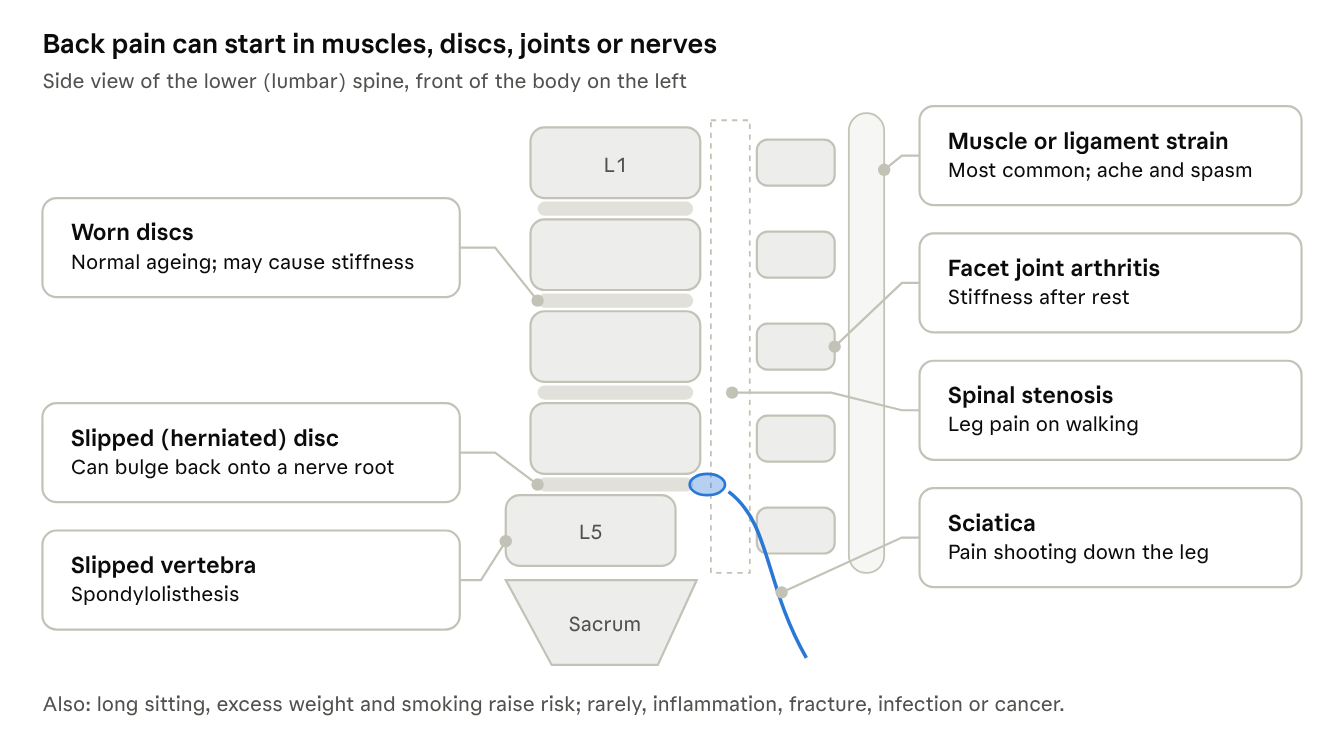
Lower back pain refers to discomfort in the lumbar region, between the lower ribs and buttocks. It may arise from muscles, ligaments, spinal joints, intervertebral discs, or other structures.
Most episodes are classified as non-specific lower back pain, meaning no single anatomical cause can be confidently identified. Typical symptoms include a dull ache, stiffness, muscle tightness, or pain aggravated by bending, lifting, or prolonged sitting.
Pain may spread into the buttocks or upper thighs without necessarily indicating nerve compression.
2What Is Sciatica?
Sciatica describes pain associated with irritation or dysfunction of the sciatic nerve pathway, most commonly involving a lumbar or sacral nerve root.
A herniated lumbar disc is one possible cause. Other causes include degenerative narrowing around spinal nerves, known as spinal stenosis.
Sciatic pain commonly travels from the lower back or buttock down the back or side of one leg, sometimes reaching the foot. Patients may describe burning, shooting, electric-shock-like pain, tingling, numbness, or weakness.
3Sciatica vs. Lower Back Pain: The Key Differences
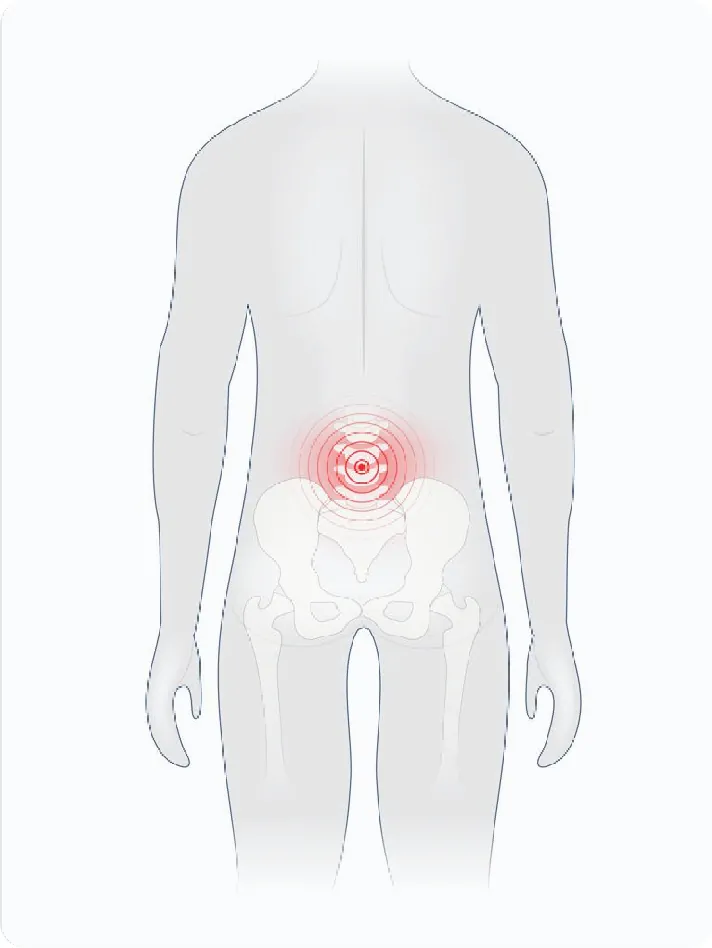 Lower back painUsually centred around the lumbar region, sometimes extending into the buttocks or thighs
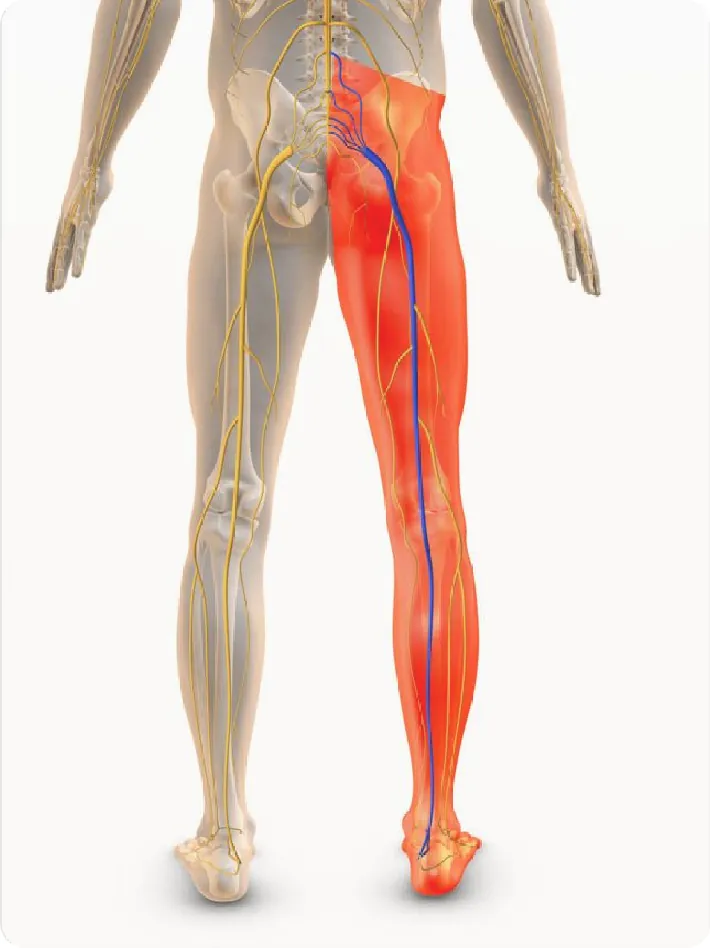
SciaticaOften follows a radiating nerve-related pattern into the leg, sometimes below the knee
| Feature | Lower back pain | Sciatica |
|---|---|---|
| Main location | Lumbar region | Buttock and leg, with or without back pain |
| Pain character | Aching, tightness, stiffness | Shooting, burning, electric-like |
| Leg radiation | May occur, often proximal | Frequently extends below the knee |
| Tingling or numbness | Less typical | More suggestive |
| Muscle weakness | Not typical of uncomplicated mechanical pain | May occur |
| Common triggers | Bending, lifting, prolonged positions | Sitting, coughing, sneezing, certain spinal movements |
These patterns are helpful clues, not definitive diagnostic rules.
4Why Does Sciatica Happen?
A spinal nerve can become irritated through inflammation, mechanical compression, or a combination of both.
Common underlying conditions include lumbar disc herniation, foraminal stenosis, degenerative spinal changes, and narrowing of the spinal canal.
However, MRI abnormalities are also found in people without symptoms. Therefore, imaging findings must be interpreted alongside the clinical history and neurological examination.
5A Simple Guide: Could Your Pain Be Sciatica?
6When Should You Seek Medical Attention?
Most uncomplicated episodes of lower back pain improve over time. However, certain symptoms require urgent assessment.
Seek emergency care for new difficulty passing urine, loss of bladder or bowel control, numbness around the groin or saddle region, or rapidly worsening leg weakness. These may indicate cauda equina syndrome or another serious neurological condition.
Prompt medical assessment is also important after significant trauma, or when back pain is accompanied by fever, unexplained weight loss, cancer history, or persistent night pain.
Do not wait for every warning symptom to appear before seeking help.
7How Are Lower Back Pain and Sciatica Diagnosed?
Diagnosis usually begins with a medical history and physical examination. A clinician may assess spinal movement, reflexes, sensation, muscle strength, and nerve tension using tests such as the straight-leg raise.
MRI is not routinely necessary for uncomplicated lower back pain or early sciatica. It may be appropriate when serious disease is suspected, neurological deficits are progressing, or imaging would influence specialist treatment.
8Can Sciatica and Lower Back Pain Be Treated Without Surgery?
Yes. Most patients initially benefit from non-surgical management.
For lower back pain, remaining active, gradually resuming normal activities, and undertaking appropriate exercises are generally recommended. Prolonged bed rest should be avoided.
Sciatica often improves over weeks to months. Physiotherapy and carefully selected pain-management strategies may help. Medicines require individual risk assessment, and some commonly prescribed treatments, including gabapentinoids and oral corticosteroids, are not recommended routinely for sciatica by NICE.
For persistent, severe sciatica, specialist options may include selected epidural injections or surgical decompression. Surgery is considered when symptoms and imaging findings are consistent and non-surgical treatment has not provided adequate relief, or when urgent neurological indications exist.
Conclusion: Know the Difference, Choose the Right Treatment
Lower back pain and sciatica can feel similar, but radiating leg pain, tingling, numbness, and weakness raise suspicion of nerve involvement.
Most cases improve without surgery. Early recognition, appropriate activity, evidence-based treatment, and timely medical evaluation can support recovery and prevent unnecessary delays in managing serious conditions.
The goal is not simply to relieve pain, but to identify its cause, restore function, and protect long-term spinal health.
Cepienta — Making Evidence-Based Orthopaedic and Spine Knowledge Accessible Worldwide.
Scientific references
- National Institute for Health and Care Excellence. (2016; updated 2026). Low back pain and sciatica in over 16s: Assessment and management (NG59). NICE clinical guideline .
- World Health Organization. (2023). WHO guideline for non-surgical management of chronic primary low back pain in adults in primary and community care settings. WHO guideline .
- National Institute for Health and Care Excellence. Recommendations on pharmacological management and spinal decompression for sciatica. Read recommendations .
More from the Cepienta blog
- Spine
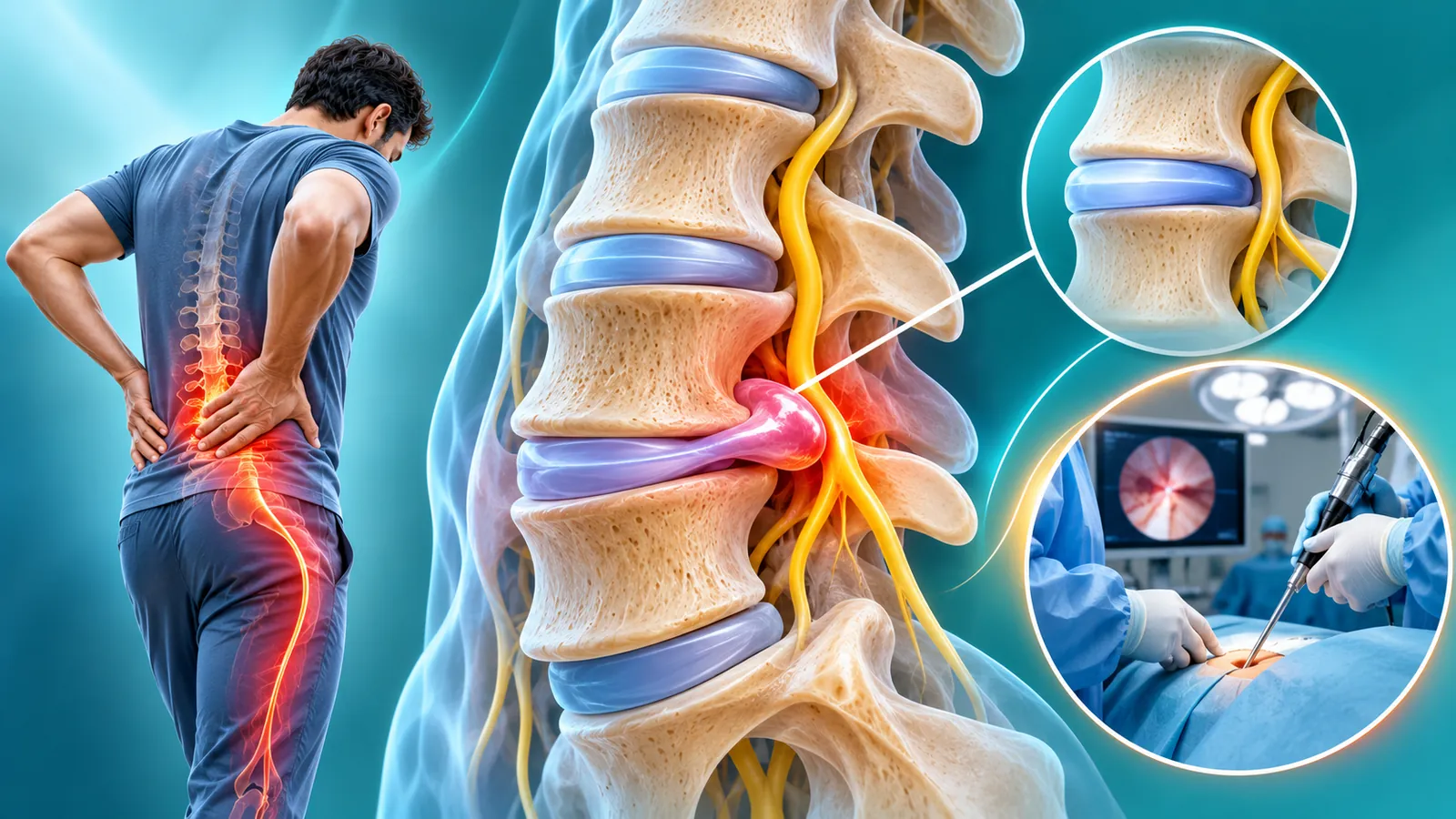
Herniated Disc: When Is Spine Surgery Necessary?
Does a herniated disc need surgery? Learn warning signs, sciatica treatments, MRI findings, microdiscectomy benefits, risks, and recovery timelines.
- Spine
Lower Back Pain: Causes, Treatment, and Exercises That Help
Lower back pain? Learn the common causes, warning signs that need a doctor, treatments that work and 8 simple exercises to ease pain and protect your back.
- Spine
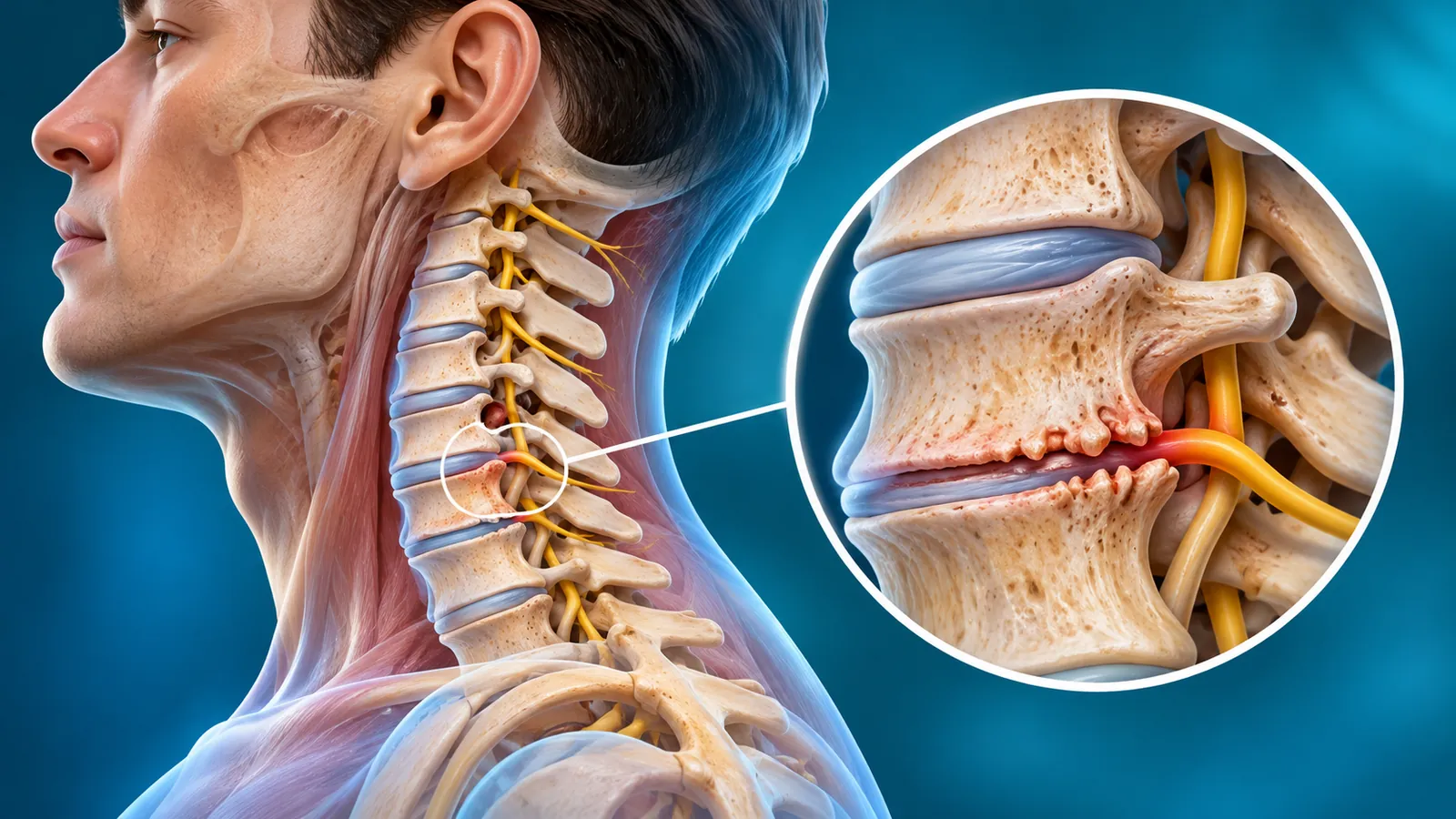
Neck Pain and Cervical Spondylosis: Causes, Symptoms, and Treatment
Neck pain or cervical spondylosis? Learn the causes, symptoms, nerve compression warning signs, exercises, treatments and when surgery may be needed.