
ACL Tear: Can It Heal Without Surgery?
Symptoms, natural healing, physiotherapy, recovery timeline, and when ACL reconstruction may be necessary.
An anterior cruciate ligament (ACL) tear does not automatically mean surgery. Some people regain excellent knee function with structured rehabilitation, and research suggests that certain ACL tears can show evidence of healing on MRI. However, ligament continuity, functional knee stability, and safe return to sport are different outcomes. This guide explains how treatment decisions are made and what patients should expect.
1What Is the ACL and Why Is It Important?
The ACL connects the anterior intercondylar region of the tibia to the medial aspect of the lateral femoral condyle. It helps restrain anterior tibial translation and contributes to rotational stability. ACL injuries often occur during sudden changes of direction, pivoting, awkward landings, or contact. Patients may experience a pop, rapid swelling, pain, and episodes of the knee giving way. Meniscal, cartilage, and other ligament injuries can occur alongside an ACL tear.
2Can a Torn ACL Heal Naturally?
Historically, complete ACL tears were considered to have limited spontaneous healing potential. Recent studies challenge the assumption that healing never occurs. A secondary analysis of the KANON trial reported MRI evidence of ACL healing in some participants managed initially with rehabilitation. Yet MRI appearance does not prove normal ligament strength, rotational control, or freedom from reinjury. Healing potential may vary with tear location, residual fibre continuity, tissue quality, and separation of torn ends. Importantly, good functional recovery without surgery does not always require anatomical ligament healing.
3Partial vs Complete ACL Tears: Understanding the Difference
Partial tears preserve some ligament fibres; complete tears disrupt ligament continuity. A partial tear with a clinically stable knee may respond well to rehabilitation. Selected patients with complete tears can also function well without reconstruction. Neither MRI grading nor age alone determines treatment: the clinical examination, instability episodes, associated injuries, and activity goals matter.
4Who Can Consider Treatment Without Surgery?
Rehabilitation-first management may be appropriate when the knee remains functionally stable, the patient can participate in a supervised exercise programme, and sport or work demands can be met without recurrent giving way. A recreational cyclist and a competitive footballer may have very different stability requirements. Decisions should consider age, sporting ambitions, examination findings, associated meniscal or cartilage injury, patient preference, and access to rehabilitation.
5ACL Treatment: Rehabilitation or Reconstruction?
A rehabilitation-first strategy does not mean surgery is ruled out. Some patients elect delayed reconstruction if instability persists or their goals change.
6ACL Rehabilitation: A Practical Recovery Timeline
Rehabilitation progresses according to symptoms, knee stability, strength, movement quality and functional testing—not the calendar alone. The following phases are illustrative.
7What Does Scientific Research Say?
The KANON randomised trial compared early ACL reconstruction with rehabilitation and optional delayed reconstruction. At five years, the primary patient-reported outcome did not differ significantly between treatment strategies, although some rehabilitation-first patients underwent later surgery. The COMPARE trial found better patient-reported outcomes with early reconstruction at two years, but the differences were modest and the results do not make surgery obligatory for every patient. MRI evidence of ACL healing is promising; its relationship to durable mechanical stability and long-term outcomes remains an active research question.
8What Happens If You Do Not Have ACL Surgery?
Some people remain active for years without reconstruction. Others experience recurrent instability, reduced confidence during pivoting, or additional meniscal and cartilage injuries. Repeated giving-way episodes warrant reassessment. Reconstruction does not guarantee prevention of later knee osteoarthritis; the original injury, associated damage, reinjury, and rehabilitation all influence long-term joint health.
9When Might ACL Reconstruction Be Preferable?
Reconstruction may be appropriate for recurrent instability despite rehabilitation, demanding cutting or contact-sport goals, or associated injuries that require operative management. A graft—commonly from the hamstring, patellar, or quadriceps tendon—is used to reconstruct the ACL. Surgery can restore functional stability but carries risks, including infection, stiffness, graft failure and reinjury, and requires substantial postoperative rehabilitation. An experienced sports-knee specialist should discuss the options and their trade-offs.
10When Should You Seek Prompt Assessment?
Seek urgent medical care after knee injury if the knee is locked, there is marked deformity, inability to bear weight, worsening numbness or weakness, a cold or pale foot, or severe swelling with concerning symptoms. Persistent giving way, swelling or loss of motion also warrants orthopaedic evaluation.
Conclusion: An ACL Tear Does Not Always Mean Surgery
Some ACL tears demonstrate biological healing, and selected patients recover excellent function through rehabilitation alone. The essential question is not simply whether the ACL looks continuous on MRI, but whether the knee is stable and capable of meeting the patient’s activity goals safely. Treatment should be individualised and guided by examination, associated injuries, rehabilitation progress, and informed patient choice.
Frequently asked questions
Can a complete ACL tear heal on its own?
Some complete tears show MRI evidence of healing, but healing is not reliable and MRI continuity does not guarantee normal mechanical function.
Can I walk with a torn ACL?
Many people can walk after swelling and pain improve; walking does not prove the knee is safe for pivoting sport.
How long does recovery without surgery take?
Basic daily activities may improve over weeks, but comprehensive rehabilitation takes months. High-demand sport often requires a much longer, criteria-based progression.
Can I play football without ACL reconstruction?
Some carefully selected athletes can, but pivoting sport places high demands on knee stability. Specialist evaluation and functional testing are important.
Is surgery always better than physiotherapy?
No. Randomised evidence supports rehabilitation-first treatment for selected patients, while others benefit from reconstruction.
Scientific References
- Frobell RB, et al. A randomized trial of treatment for acute anterior cruciate ligament tears. N Engl J Med. 2010;363:331–342. doi:10.1056/NEJMoa0907797.
- Frobell RB, et al. Treatment for acute anterior cruciate ligament tear: five year outcome of randomised trial. BMJ. 2013;346:f232. doi:10.1136/bmj.f232.
- Filbay SR, et al. Evidence of ACL healing on MRI following ACL rupture treated with rehabilitation alone: secondary analysis of the KANON trial. Br J Sports Med. 2023. PubMed search: https://pubmed.ncbi.nlm.nih.gov/?term=Filbay+ACL+healing+KANON+2023
- Reijman M, et al. Early surgical reconstruction versus rehabilitation with elective delayed reconstruction for patients with anterior cruciate ligament rupture: COMPARE randomised controlled trial. BMJ. 2021;372:n375. doi:10.1136/bmj.n375.
- American Academy of Orthopaedic Surgeons. Management of Anterior Cruciate Ligament Injuries: Evidence-Based Clinical Practice Guideline. 2022. https://www.aaos.org/quality/quality-programs/lower-extremity-programs/anterior-cruciate-ligament-injuries/
More from the Cepienta blog
- Knee
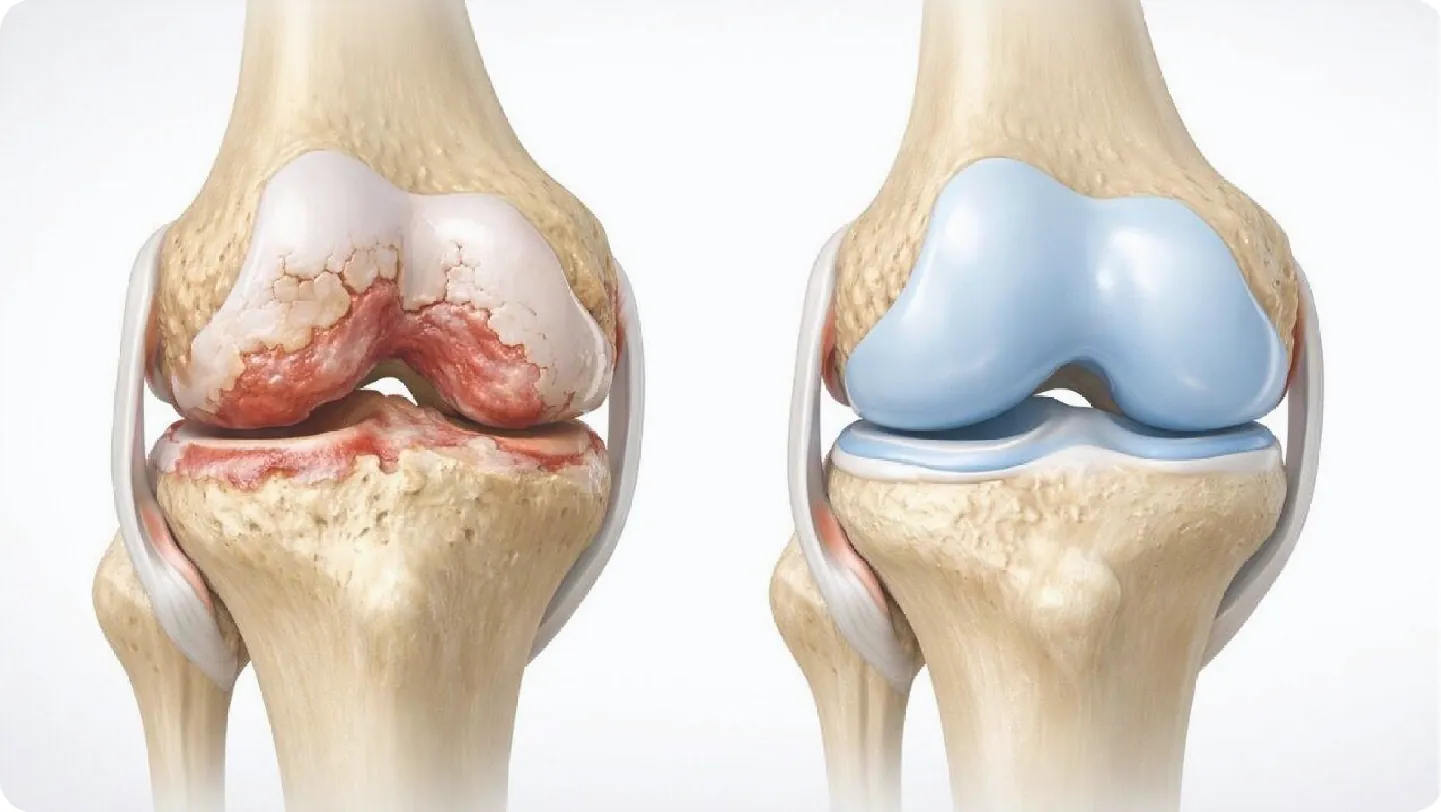
Knee Osteoarthritis: Can You Avoid Surgery? Evidence-Based Treatments That Really Work
An evidence-based guide to non-surgical knee osteoarthritis treatment, pain relief, joint preservation, and when knee replacement may be necessary.
- Knee
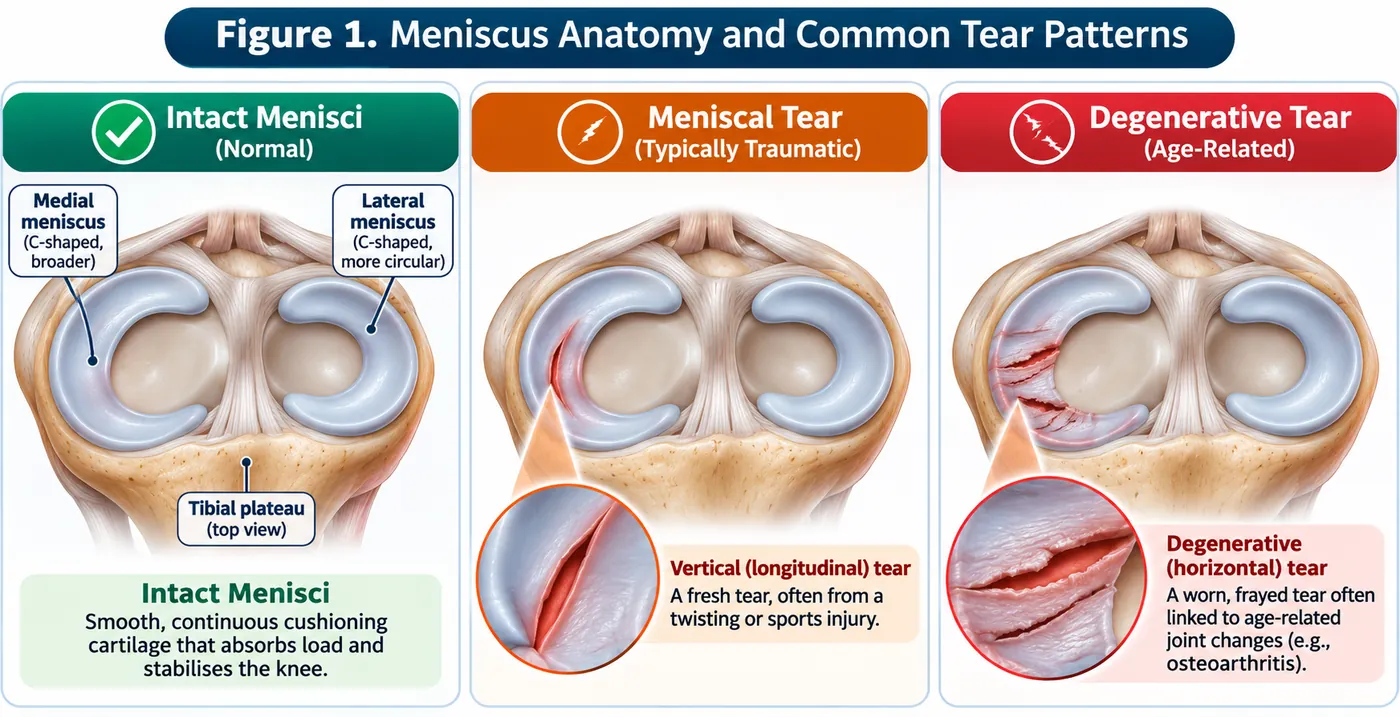
Meniscus Tear: Does Every Patient Need Surgery?
Does a meniscus tear always need surgery? Learn when physiotherapy works, when arthroscopy is needed, and recovery timelines for knee meniscus injuries.
- Knee
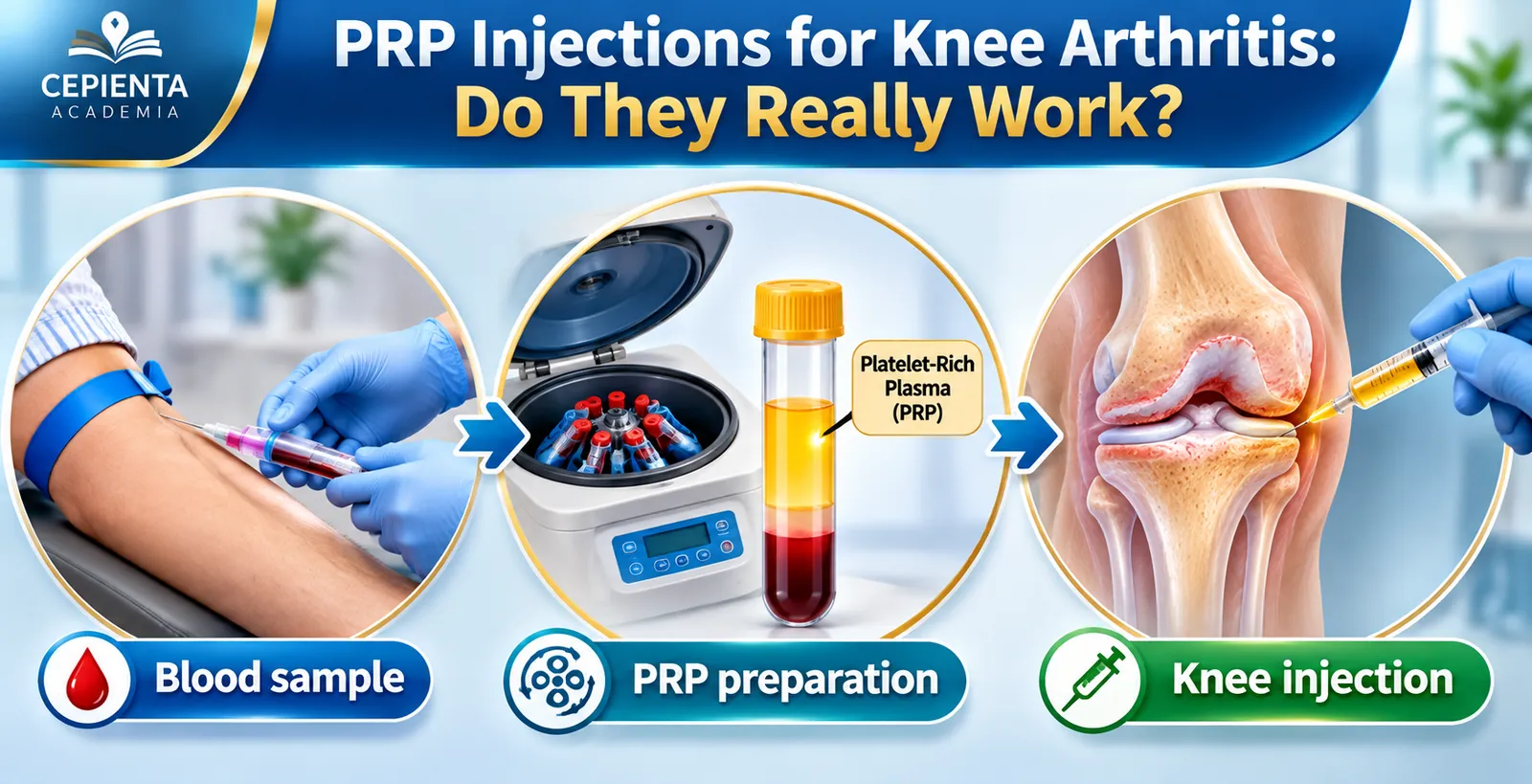
PRP Injections for Knee Arthritis: Do They Really Work?
Do PRP injections help knee arthritis? Explore the latest evidence, benefits, risks, cost considerations, and whether PRP can regrow cartilage.