
PRP Injections for Knee Arthritis: Do They Really Work?
Benefits, limitations, safety, costs and what scientific studies really say about platelet-rich plasma for knee osteoarthritis.
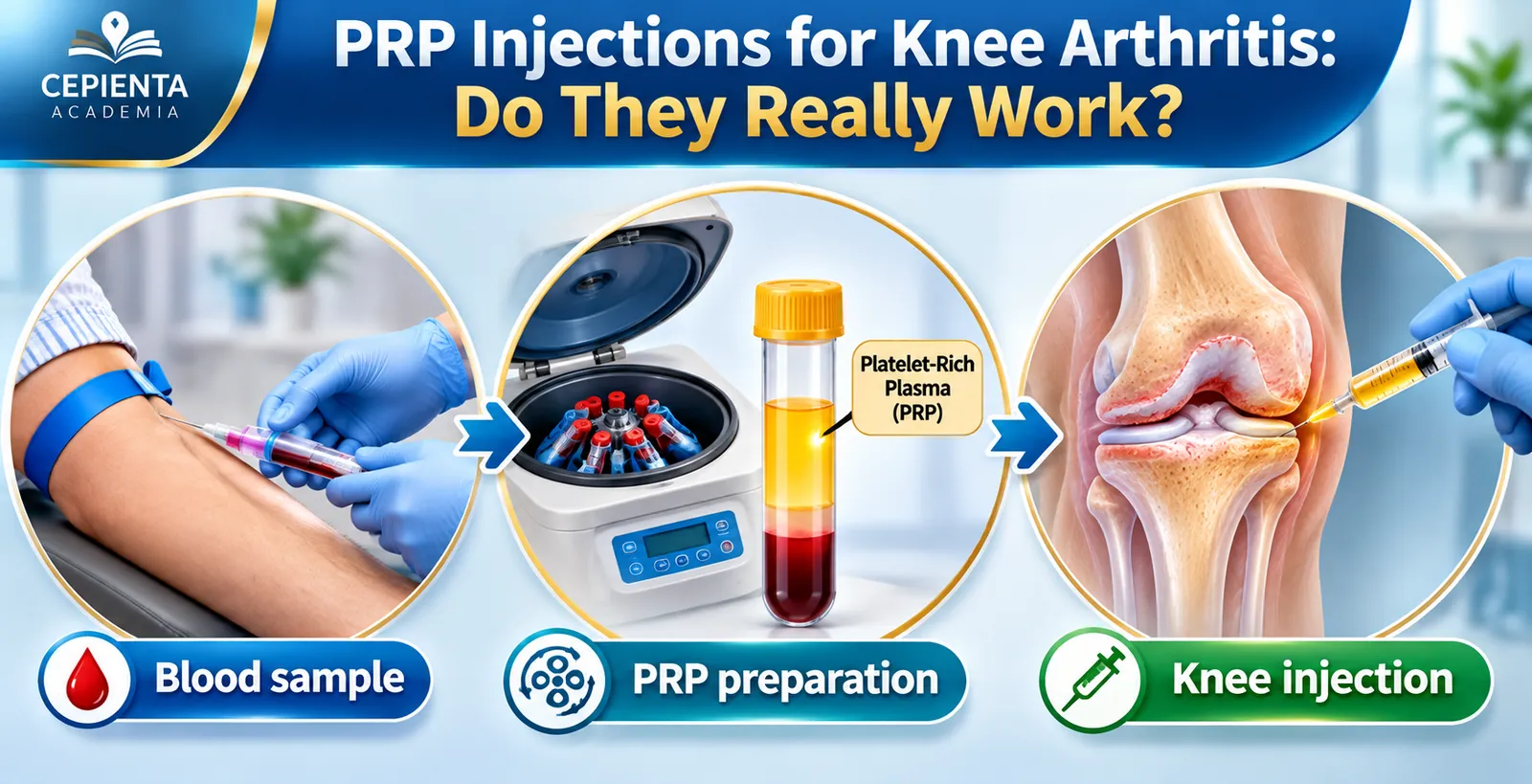
Can an injection made from your own blood reduce knee arthritis pain? Platelet-rich plasma (PRP) has become a popular option for knee osteoarthritis, especially among people hoping to postpone surgery. Some studies report improvements in pain and function, but results are inconsistent—and PRP is not a proven way to rebuild worn-out cartilage. Here is what patients should know before deciding.
1What Is PRP and How Does It Work?
PRP is a preparation made from a patient’s blood that contains a higher concentration of platelets than ordinary blood. Platelets release growth factors and other signalling molecules involved in tissue responses. The theory is that injecting PRP into the knee may influence inflammation and pain. However, laboratory biological effects do not automatically translate into predictable clinical benefit.
2Why Is PRP Used for Knee Osteoarthritis?
Knee osteoarthritis involves changes in cartilage, bone, synovium and other joint tissues. Symptoms include pain with walking or stairs, stiffness after rest, swelling and reduced mobility. PRP is offered to some patients as a symptom-focused injection, usually after discussion of standard non-surgical treatments. It should not be described as a cure for arthritis.
3Does PRP Really Reduce Pain? What Does the Research Show?
The evidence is mixed. Some randomised trials and meta-analyses report better pain or function scores after PRP than after certain comparison injections. Yet trials differ considerably in patient selection, PRP preparation, number of injections and outcome measurement. Importantly, the well-designed RESTORE placebo-controlled trial (JAMA, 2021) found no statistically significant advantage of PRP over saline placebo for knee pain at 12 months and no meaningful preservation of medial tibial cartilage volume.
Guidelines therefore differ: the AAOS 2021 guideline says PRP may reduce pain and improve function but grades the evidence as limited; the American College of Rheumatology/Arthritis Foundation guideline conditionally recommends against PRP for knee osteoarthritis, partly because formulations and techniques are not standardised. These are genuine differences in evidence interpretation, not proof that either every patient benefits or no patient can benefit.
4Can PRP Regenerate Cartilage or Prevent Knee Replacement?
There is no reliable clinical evidence that routine PRP injections regenerate lost articular cartilage, reverse advanced osteoarthritis or prevent eventual knee replacement. Improvements in symptoms, when they occur, should not be confused with structural healing. Advertising claims of guaranteed cartilage regrowth should be viewed critically.
5Who Might Consider PRP—and Who Should Be Cautious?
Patients with persistent symptomatic knee osteoarthritis who understand the uncertain benefit and out-of-pocket cost may wish to discuss PRP with an orthopaedic specialist. There is no universally validated profile that guarantees a good response. Advanced joint deformity, severe loss of joint space or a major mechanical limitation may make symptom-only injections less useful. The clinician should also assess medications, bleeding or clotting problems, infection risk and other individual contraindications.
6PRP vs Steroid vs Hyaluronic Acid: What Is the Difference?
| Treatment | Main purpose | Important limitation |
|---|---|---|
| PRP | Possible pain/function relief in some patients | Mixed trial results; costly; not standardised |
| Corticosteroid | Short-term relief of painful inflammatory flare | Benefit often temporary; repeated use requires caution |
| Hyaluronic acid | Viscosupplementation in selected settings | Not routinely recommended by several major guidelines |
| Exercise and weight management | Improve symptoms, strength and long-term function | Requires consistent participation |
These options are not interchangeable, and their suitability depends on the individual knee and medical history. Exercise therapy remains a core treatment regardless of whether an injection is chosen.
7How Many PRP Injections Are Needed, and When Might They Work?
Protocols vary from a single injection to a series, often spaced over weeks. There is no universally established best dose, platelet concentration or injection schedule. Some studies evaluate outcomes over three to twelve months, but no individual response or duration can be promised. Ask the treating clinic exactly what product and protocol it uses and what evidence supports that approach.
8What Are the Risks and Side Effects?
Temporary injection-site pain, swelling and stiffness may occur. Infection, bleeding and other injection-related complications are uncommon but possible. Because PRP is autologous, allergic reactions to the blood product itself are unlikely; nevertheless, preparation and injection must follow sterile standards. A hot, markedly swollen knee, fever or worsening severe pain after injection warrants urgent medical review.
9Should You Try PRP Before Knee Replacement?
The answer depends on symptoms, functional goals, arthritis severity, treatment history and preferences. PRP should not delay appropriate evaluation when pain, deformity and disability are substantial. Patients who remain comfortable with exercise, weight management and suitable medications may not need an injection at all. Shared decision-making should include the uncertain magnitude of benefit, costs and alternatives.
10Five Questions to Ask Before Paying for PRP
- What grade and pattern of knee osteoarthritis do I have?
- Which PRP preparation and injection protocol will be used?
- What improvement is realistic for someone with my symptoms?
- What are the total costs, risks and follow-up arrangements?
- What is the plan if PRP does not help?
Conclusion: PRP Is Promising, but Not a Miracle Treatment
PRP may provide symptom relief for some people with knee osteoarthritis, but the overall evidence remains inconsistent and major professional guidelines do not fully agree. It has not been proven to restore cartilage or eliminate the need for knee replacement. A personalised plan built around exercise, functional goals and transparent discussion of benefits, risks and cost is the most reliable starting point.
Cepienta — Making evidence-based orthopaedic knowledge accessible worldwide.
Frequently asked questions
Is PRP better than a steroid injection?
Some studies suggest different durations of relief, but results vary. The best option depends on the clinical problem and treatment goals.
Can PRP cure bone-on-bone arthritis?
No. PRP has not been proven to rebuild lost cartilage or reverse severe arthritis.
Is PRP painful?
A brief injection discomfort and temporary soreness are possible; experiences vary.
How long does PRP last?
Some patients report improvement over months, but there is no reliable duration for an individual patient.
Is PRP approved as a standard treatment everywhere?
No. Recommendations and regulatory arrangements vary, and evidence remains debated.
Scientific References and Guidelines
- Bennell KL, Paterson KL, Metcalf BR, et al. Effect of intra-articular platelet-rich plasma vs placebo injection on pain and medial tibial cartilage volume in patients with knee osteoarthritis: The RESTORE randomized clinical trial. JAMA. 2021;326(20):2021–2030. doi:10.1001/jama.2021.19415.
- American Academy of Orthopaedic Surgeons. Management of Osteoarthritis of the Knee (Non-Arthroplasty): Clinical Practice Guideline. 3rd ed. 2021. https://www.aaos.org/quality/quality-programs/lower-extremity-programs/osteoarthritis-of-the-knee/
- Kolasinski SL, Neogi T, Hochberg MC, et al. 2019 American College of Rheumatology/Arthritis Foundation guideline for the management of osteoarthritis of the hand, hip, and knee. Arthritis Care Res. 2020;72(2):149–162. doi:10.1002/acr.24131.
- National Institute for Health and Care Excellence. Osteoarthritis in over 16s: diagnosis and management (NG226). 2022. https://www.nice.org.uk/guidance/ng226
More from the Cepienta blog
- Knee
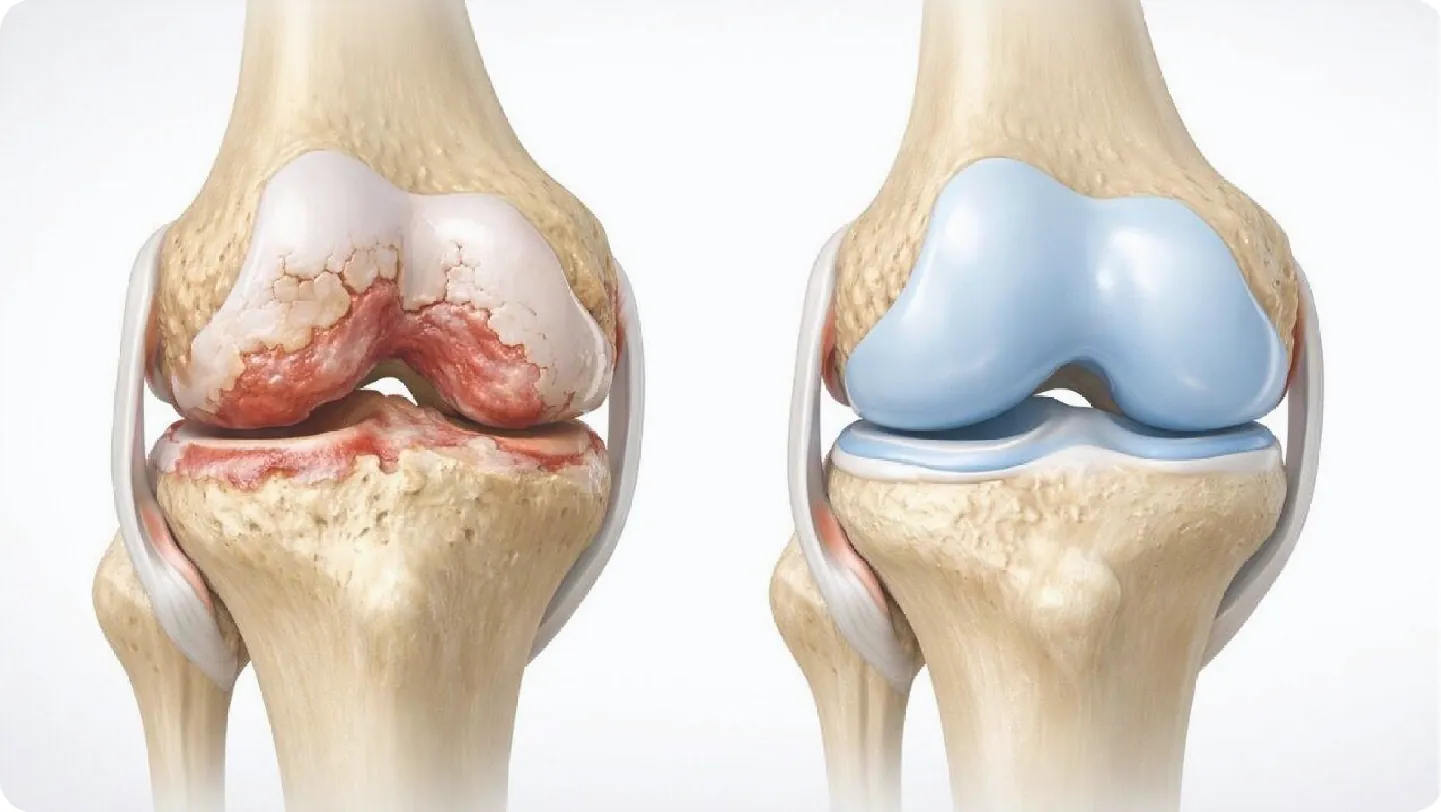
Knee Osteoarthritis: Can You Avoid Surgery? Evidence-Based Treatments That Really Work
An evidence-based guide to non-surgical knee osteoarthritis treatment, pain relief, joint preservation, and when knee replacement may be necessary.
- Knee
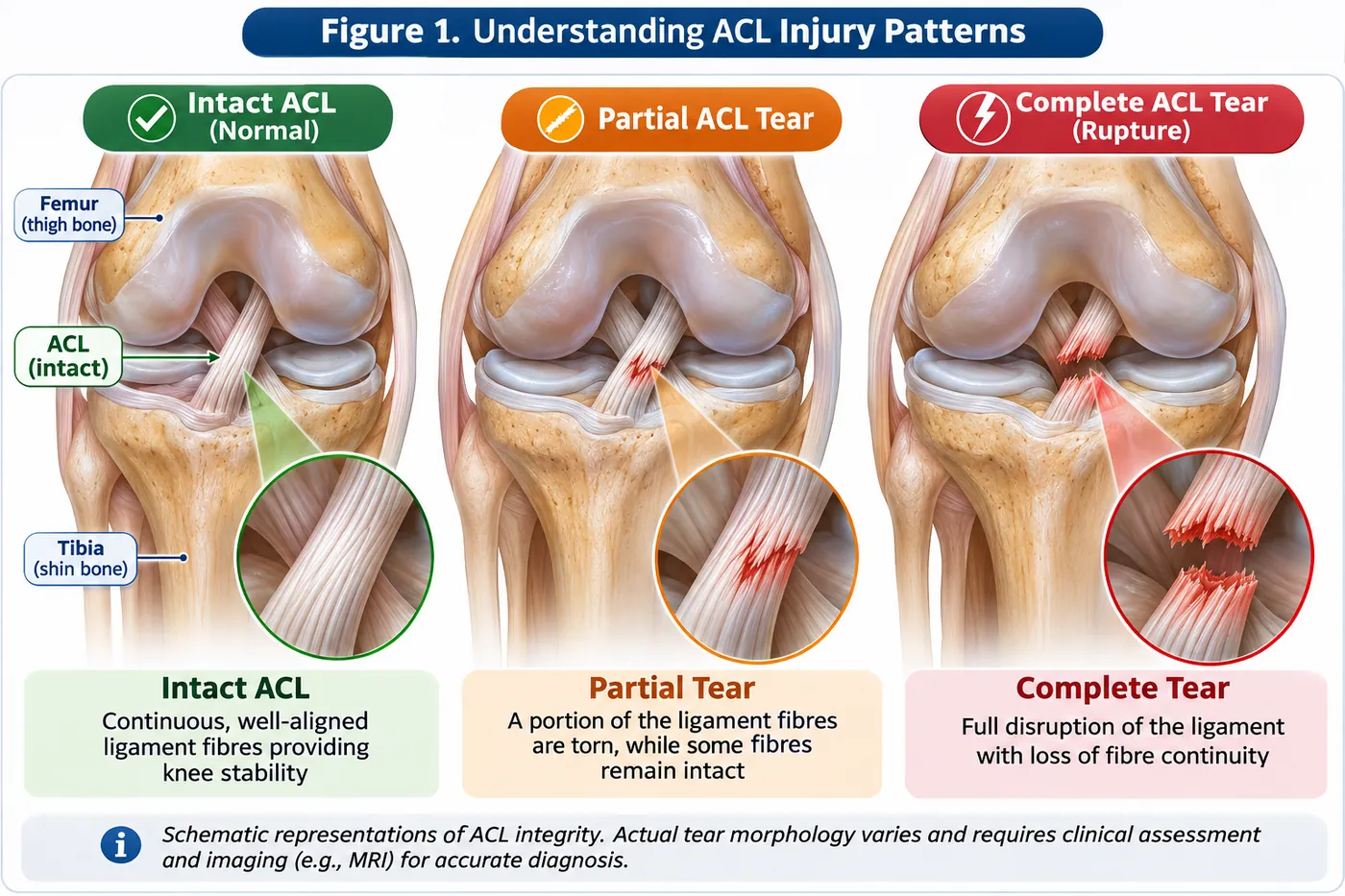
ACL Tear: Can It Heal Without Surgery?
Can a torn ACL heal without surgery? Explore ACL healing, physiotherapy, recovery timelines, scientific evidence, and when reconstruction is necessary.
- Knee
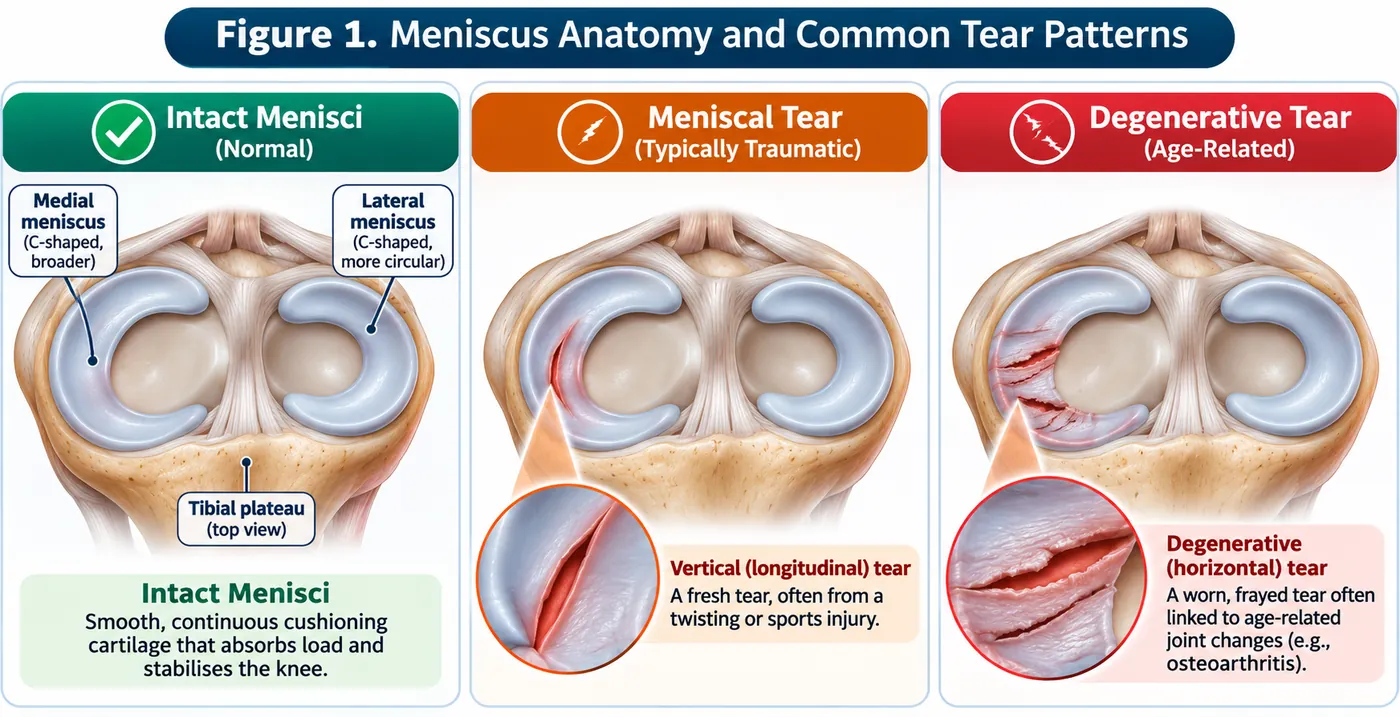
Meniscus Tear: Does Every Patient Need Surgery?
Does a meniscus tear always need surgery? Learn when physiotherapy works, when arthroscopy is needed, and recovery timelines for knee meniscus injuries.