
Knee Osteoarthritis: Can You Avoid Surgery? Evidence-Based Treatments That Really Work
An evidence-based guide to non-surgical knee osteoarthritis treatment, pain relief, joint preservation, and when knee replacement may be necessary.
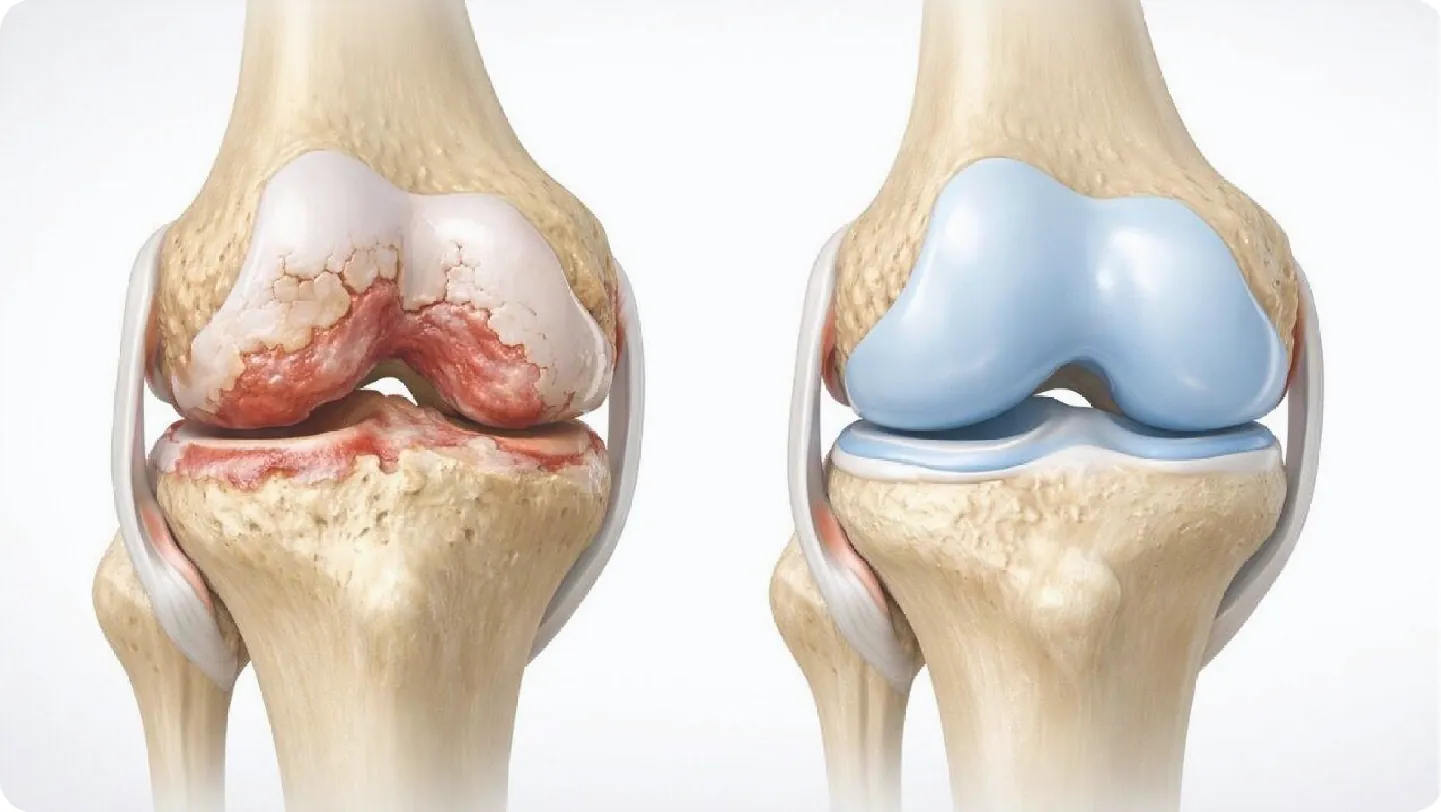 Image source: tibbiyebulteni.com
Does knee pain always lead to knee replacement? Not necessarily. Many people with knee osteoarthritis can manage pain, improve mobility, and maintain an active lifestyle without surgery. The key is understanding which treatments are scientifically supported—and when surgery becomes the better option.
1Understanding Knee Osteoarthritis: More Than Just Wear and Tear
Knee osteoarthritis (OA) is a common joint disorder affecting cartilage, underlying bone, synovium, and surrounding tissues. Although often described as “wear and tear,” osteoarthritis is a complex disease involving mechanical stress, inflammation, and biological changes within the joint.
Common symptoms include knee pain during walking or climbing stairs, stiffness after inactivity, swelling, reduced movement, and difficulty performing everyday activities.
Age, previous knee injuries, obesity, joint malalignment, and genetic predisposition can increase the risk of developing OA.
Importantly, the severity of osteoarthritis seen on an X-ray does not always match the patient's pain or disability. Treatment should therefore focus on symptoms, physical function, and individual needs—not radiographs alone.
2Can Knee Osteoarthritis Really Be Treated Without Surgery?
Yes. For many patients, non-surgical treatment is the recommended first approach.
International guidelines from organisations such as the American College of Rheumatology (ACR), American Academy of Orthopaedic Surgeons (AAOS), and National Institute for Health and Care Excellence (NICE) emphasise exercise, education, weight management when appropriate, and selected medications.
However, an important distinction must be made: most currently available non-surgical treatments do not regenerate lost cartilage or reverse established structural osteoarthritis.
Their primary objectives are to reduce pain, improve strength and mobility, preserve function, and delay or avoid surgery when clinically appropriate.
3Exercise Therapy: One of the Most Effective Treatments
Exercise is a cornerstone of knee osteoarthritis management, even when movement initially causes mild discomfort.
A well-designed rehabilitation programme may include quadriceps strengthening, hip muscle exercises, walking, stationary cycling, aquatic exercises, and balance training.
Stronger muscles improve joint support and help patients perform daily activities more comfortably. Low-impact aerobic exercise also supports cardiovascular health and physical independence.
Exercise programmes should be adapted to pain severity, physical capacity, and associated medical conditions.
4Weight Management: Small Changes, Meaningful Benefits
For individuals who are overweight or living with obesity, weight reduction can substantially improve knee symptoms.
Excess body weight increases mechanical loading across the knee and may contribute to inflammatory processes associated with osteoarthritis.
NICE recommends supporting weight loss in people with osteoarthritis who are overweight or obese, noting that losing 10% of body weight is generally more beneficial than losing 5%.
Combining dietary changes with regular exercise is often more effective than relying on either strategy alone.
5Medicines and Injections: What Actually Helps?
Medications can provide symptom relief, particularly when pain limits participation in rehabilitation.
Topical non-steroidal anti-inflammatory drugs (NSAIDs) are commonly recommended for knee osteoarthritis because they act locally and generally have fewer systemic adverse effects than oral NSAIDs.
Oral NSAIDs may help selected patients but require careful consideration of kidney disease, cardiovascular risk, gastrointestinal bleeding, and other medications.
Intra-articular corticosteroid injections may provide short-term relief, particularly during painful flare-ups, but repeated injections are not a substitute for long-term rehabilitation.
Hyaluronic acid injections are not routinely recommended by several major guidelines because their average clinical benefit is limited or uncertain.
Platelet-rich plasma (PRP) remains controversial. Some studies report symptomatic improvement, but differences in preparation, study quality, and treatment protocols have led to inconsistent guideline recommendations.
Patients should be cautious about claims that injections can permanently rebuild cartilage or cure advanced osteoarthritis.
6Do Knee Braces, Physiotherapy, and Lifestyle Changes Help?
Selected patients may benefit from knee braces, walking aids, and modifications to everyday activities.
A tibiofemoral unloading brace may improve symptoms in some patients with predominantly one-compartment osteoarthritis, particularly when joint loading contributes to pain.
Using a walking stick in the hand opposite the painful knee can reduce joint loading. Supportive footwear and pacing demanding activities may also improve comfort.
Physiotherapy is particularly useful for developing an individualised strengthening programme, improving walking mechanics, and addressing fear of movement.
These measures should complement, rather than replace, the core treatments of exercise and weight management.
7Can Stem Cells, PRP, or Supplements Regenerate Knee Cartilage?
Regenerative medicine has generated considerable interest, but expectations must remain realistic.
Stem-cell treatments have not been established as a reliable method of regenerating normal joint cartilage or reversing knee osteoarthritis. Major guidelines do not recommend routine stem-cell injections for this purpose.
PRP may improve symptoms in some patients, but evidence is heterogeneous, and there is no established proof that it consistently restores cartilage.
Glucosamine, chondroitin, and other widely marketed supplements also have inconsistent evidence of meaningful clinical benefit.
Patients should discuss the expected benefit, potential harms, cost, and scientific evidence before pursuing expensive treatments.
8When Is Knee Replacement Surgery Necessary?
Knee replacement may be appropriate when persistent pain, stiffness, deformity, or functional limitation substantially affects quality of life despite appropriate non-surgical treatment.
The decision depends on clinical findings, the patient's preferences, expected benefits, surgical risks, and suitability for rehabilitation.
Surgery should not be determined by X-ray severity alone. Equally, patients with severe symptoms should not be required to undergo repeated ineffective treatments before receiving an appropriate surgical consultation.
Conclusion: Preserve Function, Control Pain, and Make Informed Decisions
Knee osteoarthritis does not automatically mean knee replacement.
For many patients, structured exercise, weight management, education, and appropriate pain relief can provide meaningful improvements in daily function and quality of life.
Although conservative treatments cannot reliably reverse established cartilage loss, they can help patients remain active and independent.
The goal is not simply to avoid surgery at all costs, but to choose the right treatment for the right patient at the right time.
Cepienta — Making Evidence-Based Orthopaedic Knowledge Accessible to Everyone.
References and scientific guidelines
- Kolasinski, S. L., et al. (2020). 2019 American College of Rheumatology/Arthritis Foundation Guideline for the Management of Osteoarthritis of the Hand, Hip, and Knee. Arthritis Care & Research, 72(2), 149–162. Read guideline
- American Academy of Orthopaedic Surgeons. (2021). Management of Osteoarthritis of the Knee (Non-Arthroplasty): Evidence-Based Clinical Practice Guideline. AAOS guideline
- National Institute for Health and Care Excellence. (2022). Osteoarthritis in over 16s: Diagnosis and management (NG226). NICE guideline
- Bannuru, R. R., et al. (2019). OARSI guidelines for the non-surgical management of knee, hip, and polyarticular osteoarthritis. Osteoarthritis and Cartilage, 27(11), 1578–1589. Read article
- Katz, J. N., Arant, K. R., & Loeser, R. F. (2021). Diagnosis and treatment of hip and knee osteoarthritis: A review. JAMA, 325(6), 568–578. Read review
More from the Cepienta blog
- Knee
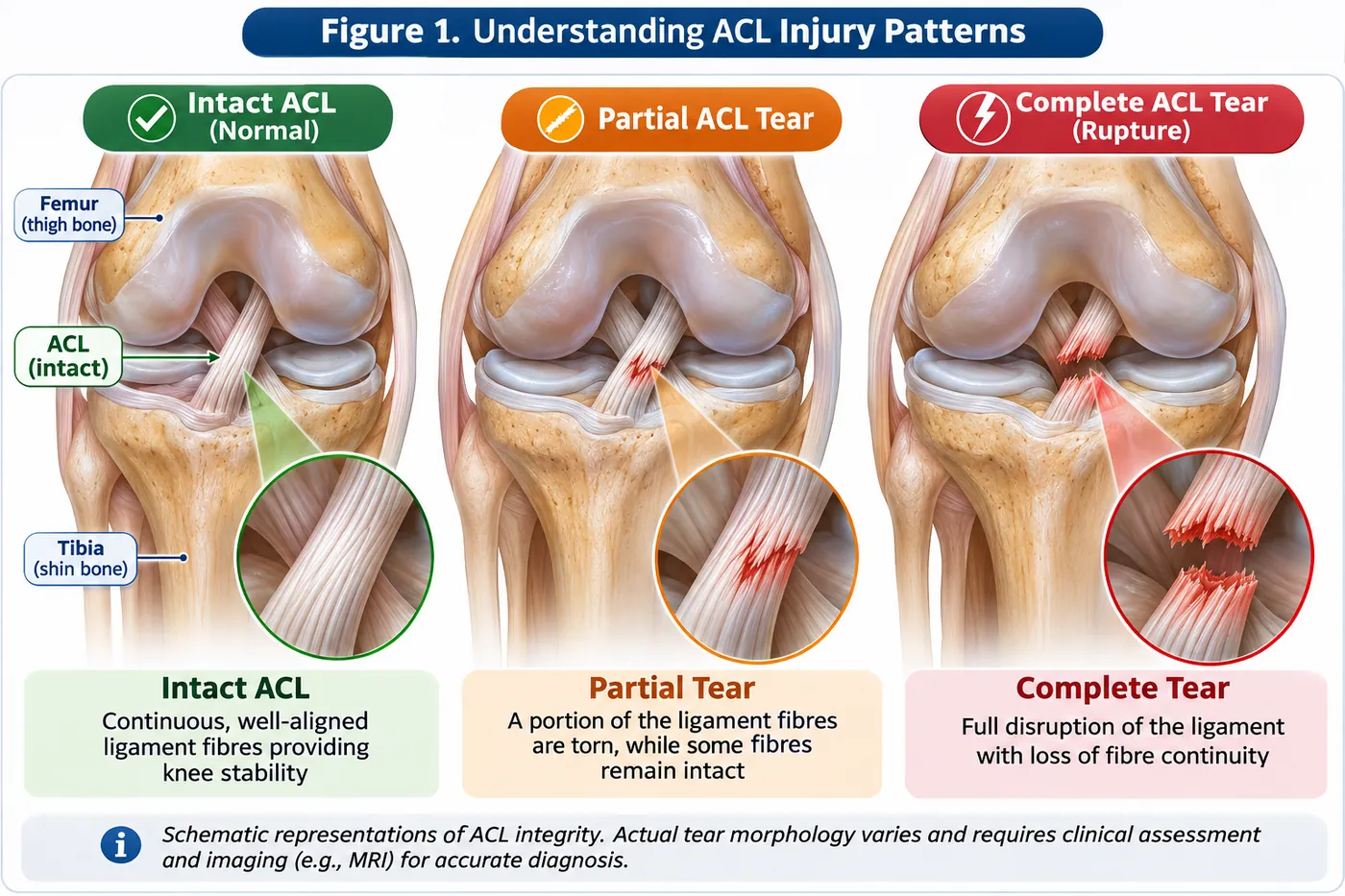
ACL Tear: Can It Heal Without Surgery?
Can a torn ACL heal without surgery? Explore ACL healing, physiotherapy, recovery timelines, scientific evidence, and when reconstruction is necessary.
- Knee
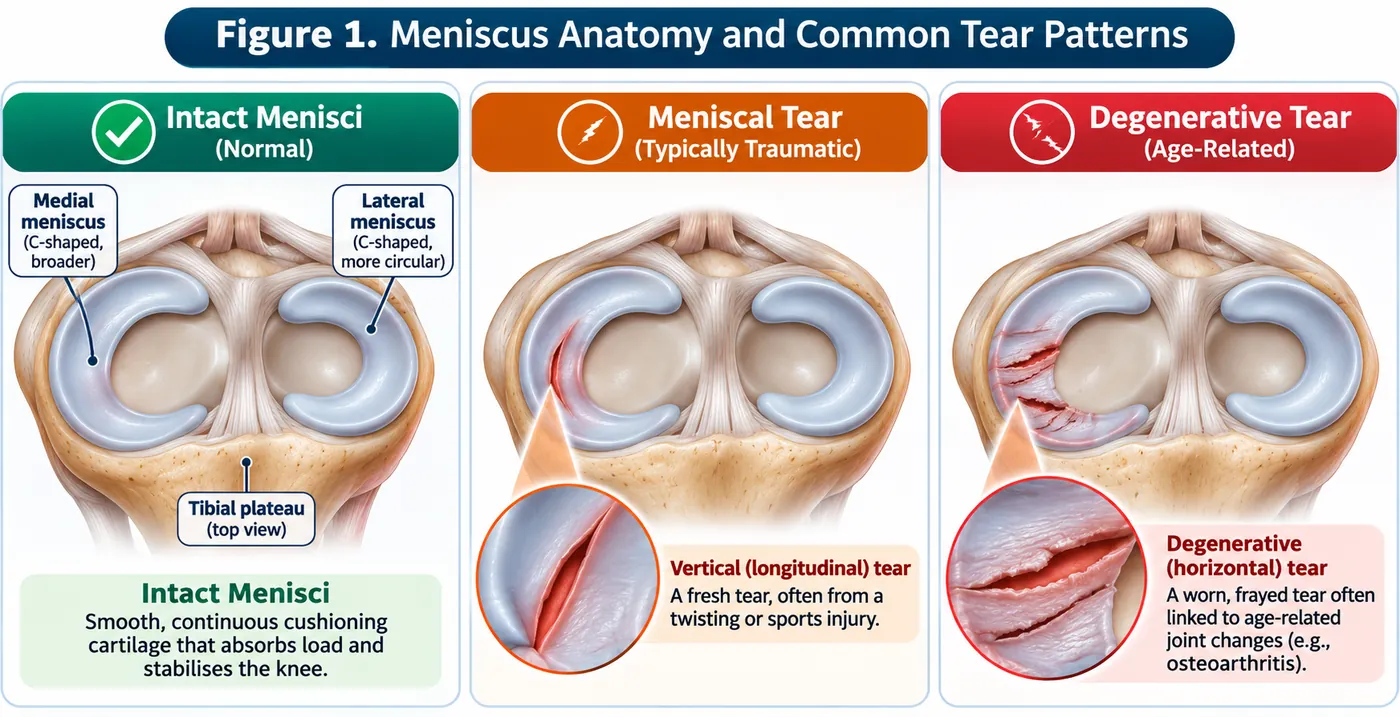
Meniscus Tear: Does Every Patient Need Surgery?
Does a meniscus tear always need surgery? Learn when physiotherapy works, when arthroscopy is needed, and recovery timelines for knee meniscus injuries.
- Knee
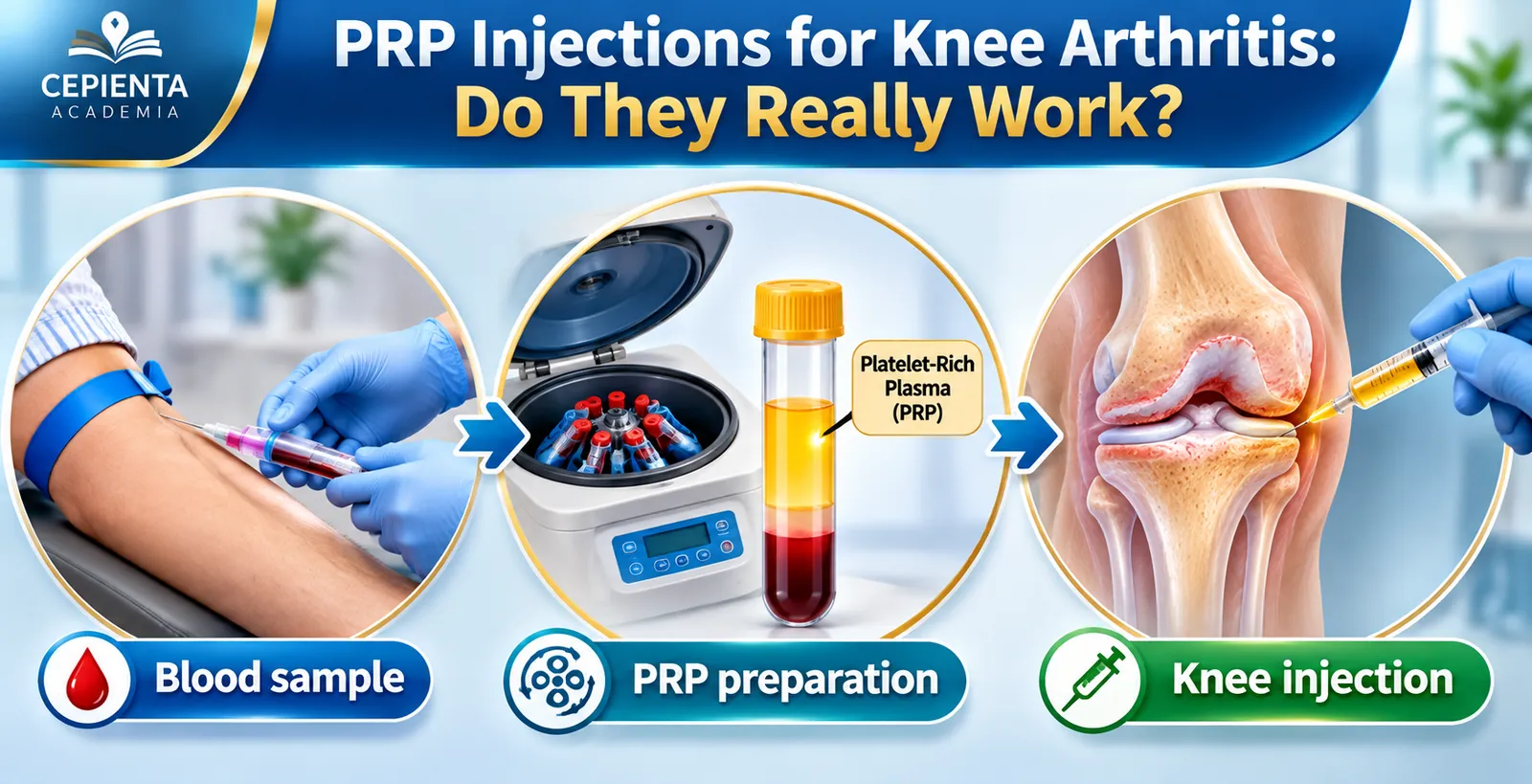
PRP Injections for Knee Arthritis: Do They Really Work?
Do PRP injections help knee arthritis? Explore the latest evidence, benefits, risks, cost considerations, and whether PRP can regrow cartilage.