
Hip Pain: Common Causes in Young and Older Adults
Why your hip hurts, what the location of pain may mean, when to seek help, and which treatments actually work..
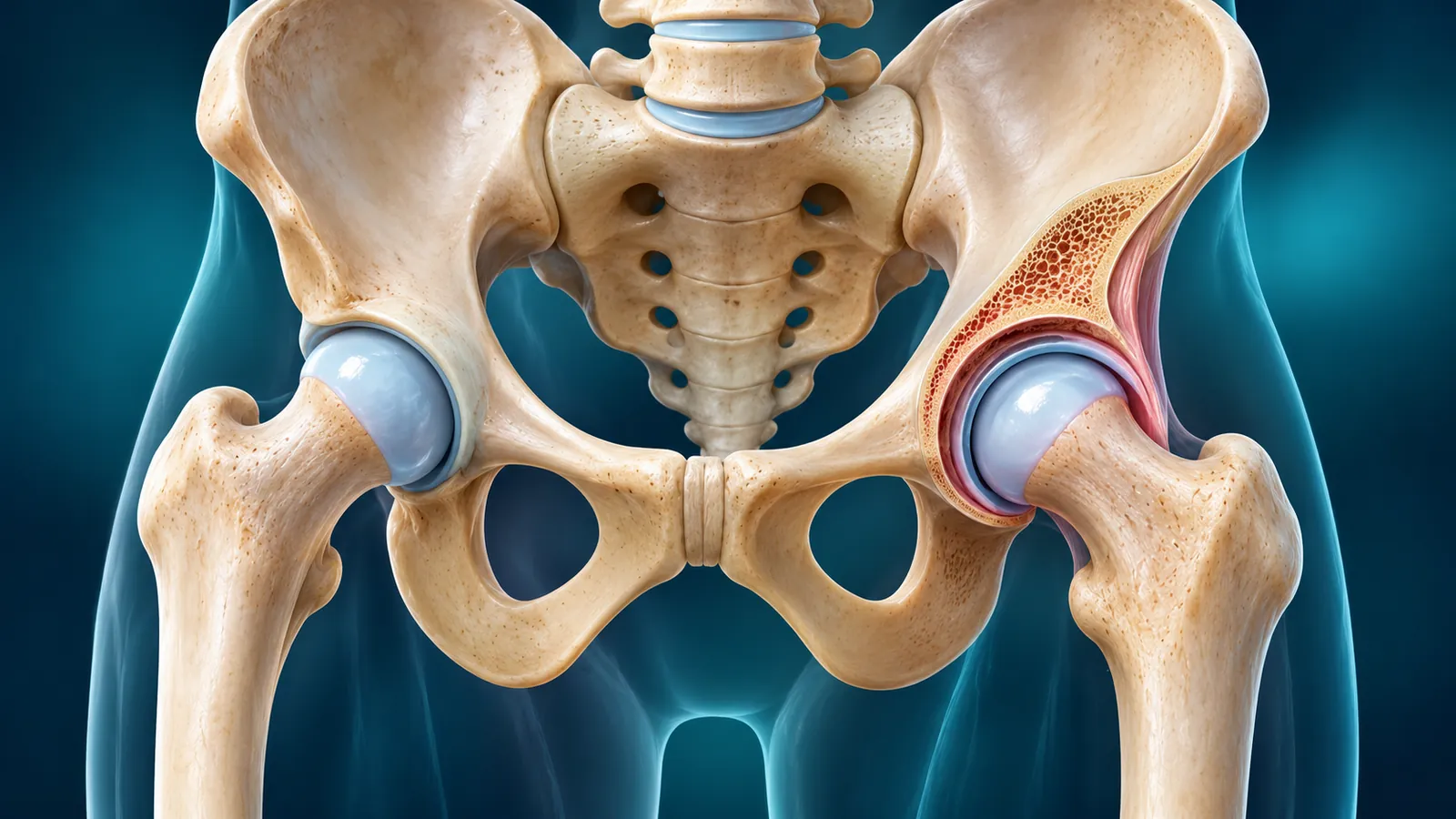
Hip pain can affect athletes in their twenties, office workers in midlife, and older adults living with arthritis. Although the pain may feel similar, its causes often differ. A young athlete may have femoroacetabular impingement (FAI) or a labral injury, while an older adult may develop osteoarthritis or a fracture. Importantly, pain felt around the hip does not always originate inside the hip joint.
1Where Is Your Hip Pain? Location Offers Important Clues
Pain deep in the groin or front of the hip may suggest a problem within the joint, including osteoarthritis, FAI or a labral injury. Pain over the outer hip commonly reflects gluteal tendon-related pain (greater trochanteric pain syndrome). Buttock pain can originate from the lumbar spine or surrounding muscles. These are patterns, not diagnostic rules: several conditions overlap, and referred pain may extend into the thigh or knee.
2Common Causes of Hip Pain in Young Adults
Femoroacetabular impingement (FAI) syndrome occurs when hip shape and movement contribute to painful contact between the femoral head-neck region and acetabular rim. Symptoms often include groin pain with deep flexion, squatting or twisting. An abnormal hip shape on imaging alone does not establish FAI syndrome.
Acetabular labral tears can cause groin pain, clicking or catching, although labral changes are also seen in people without symptoms. Athletes may experience hip flexor or adductor strains, stress injuries, and gluteal tendon pain. Less commonly, avascular necrosis (osteonecrosis) or inflammatory arthritis may affect young adults. Persistent pain after training, especially pain with weight-bearing, deserves assessment for a femoral neck stress fracture.
3Common Causes of Hip Pain in Older Adults
Hip osteoarthritis is a frequent cause of gradual groin pain, stiffness, reduced rotation and difficulty putting on shoes or socks. Greater trochanteric pain syndrome may cause outer-hip pain, particularly when lying on the affected side. Lumbar spinal disorders may produce buttock, hip or leg pain with tingling or numbness.
Osteoporotic hip fractures may follow a relatively minor fall and typically cause sudden pain and inability to bear weight. Some fractures are initially subtle on X-ray and require further imaging when clinical suspicion remains high. Inflammatory disease, osteonecrosis and malignancy are less common but important alternatives.
4Young vs Older Adults: What Is Different?
| Feature | Younger adults | Older adults |
|---|---|---|
| Frequent causes | FAI, labral injury, muscle/tendon strain | Osteoarthritis, tendon pain, fragility fracture |
| Typical triggers | Sports, squatting, running, twisting | Walking, stairs, prolonged activity or falls |
| Important exceptions | Stress fracture, osteonecrosis | Spinal referral, inflammatory or serious disease |
| Treatment priority | Rehabilitation and diagnosis-specific care | Function, fall prevention, strength and pain relief |
Age is only one clue: young adults can have arthritis, and older adults can develop tendon or labral disorders.
5When Is Hip Pain an Emergency?
Seek emergency care after a significant injury or fall if you cannot stand or bear weight, or when the hip is visibly deformed. Fever with a hot, severely painful joint, rapidly worsening illness, or severe unexplained pain requires urgent assessment. New weakness, numbness or bowel/bladder symptoms may indicate a serious spinal cause. Persistent pain that disturbs sleep, an unexplained limp, or symptoms that do not improve should also be assessed promptly.
6How Is Hip Pain Diagnosed?
A clinician considers pain location, onset, injury history, activity, walking ability and associated symptoms. Examination assesses gait, hip range of movement, strength and possible spine-related causes. Plain radiographs are often the first imaging test when structural hip disease is suspected. MRI may be useful for suspected stress fracture, osteonecrosis, selected soft-tissue injuries or an occult fracture; imaging should be ordered when it is likely to change management.
7Can Hip Pain Be Treated Without Surgery?
Many hip conditions improve with non-surgical treatment. Exercise therapy and education are central for hip osteoarthritis and many tendon-related disorders. Reducing temporarily aggravating loads, then progressively restoring strength and mobility, is often more helpful than prolonged rest. Weight management can reduce overall joint load when appropriate. Oral or topical medicines may be considered according to diagnosis, comorbidities and clinician advice; topical anti-inflammatory medicines may be less effective for the deep hip joint than for superficial joints.
Selected injections may provide short-term symptom relief in some conditions, but their role and risks depend on the diagnosis. For FAI syndrome or labral symptoms, structured physiotherapy is often tried first; hip arthroscopy is considered for carefully selected patients. Advanced symptomatic osteoarthritis that substantially limits quality of life despite appropriate care may warrant discussion of total hip replacement.
8Can Exercises Make Hip Pain Worse?
Exercise should be adapted to the underlying condition. Progressive strengthening of the hip abductors, gluteal muscles and surrounding musculature can improve function, but sharp pain, increasing limping or symptoms that worsen substantially after exercise suggest the programme needs modification. Deep hip flexion may aggravate some patients with FAI; prolonged compression over the outer hip may aggravate gluteal tendon pain. Avoid attempting aggressive stretches when a fracture or serious condition has not been excluded.
9What Can You Do Today?
- Identify whether the pain is in the groin, outer hip or buttock, and note what makes it worse.
- Reduce clearly painful activities temporarily, but maintain comfortable movement where safe.
- Avoid lying directly on a painful outer hip; try a pillow between the knees.
- Seek assessment if symptoms persist, function declines, or you develop warning signs.
- Ask for a diagnosis-specific rehabilitation plan rather than relying on imaging findings alone.
Conclusion: The Right Diagnosis Matters More Than Age
Hip pain is not one disease. In younger adults, impingement, labral disorders and sports injuries are important considerations; in older adults, osteoarthritis, gluteal tendon pain and fractures become more prominent. Most non-urgent problems begin with careful assessment and targeted non-surgical care. Early recognition of red flags, appropriate imaging and shared treatment decisions help protect mobility at every age.
Frequently asked questions
Can hip arthritis cause knee pain?
Yes. Pain from the hip joint can be referred to the thigh or knee, so the hip should be examined when knee symptoms have an unclear cause.
Why does my hip hurt when I sleep on my side?
Pain over the outer hip may reflect gluteal tendon-related pain. Other causes are possible, especially if pain is deep in the groin.
Does every labral tear need surgery?
No. Some labral findings are incidental, and many symptomatic patients start with education, activity modification and rehabilitation.
When should hip pain be investigated with MRI?
MRI is considered when a suspected diagnosis such as stress fracture, osteonecrosis or occult fracture would change management, or after specialist assessment of selected soft-tissue conditions.
References and Further Reading
- NICE. Osteoarthritis in over 16s: diagnosis and management (NG226). 2022. https://www.nice.org.uk/guidance/ng226
- NICE. Hip fracture: management (CG124). https://www.nice.org.uk/guidance/cg124
- Griffin DR, et al. The Warwick Agreement on femoroacetabular impingement syndrome (FAI syndrome): an international consensus statement. Br J Sports Med. 2016;50:1169–1176. doi:10.1136/bjsports-2016-096743
- Mellor R, et al. Education plus exercise versus corticosteroid injection use versus a wait and see approach on global outcome and pain from gluteal tendinopathy: prospective, single blinded, randomised clinical trial. BMJ. 2018;361:k1662. doi:10.1136/bmj.k1662
- AAOS OrthoInfo. Hip Osteoarthritis. https://orthoinfo.aaos.org/en/diseases--conditions/osteoarthritis-of-the-hip/
- AAOS OrthoInfo. Femoroacetabular Impingement. https://orthoinfo.aaos.org/en/diseases--conditions/femoroacetabular-impingement/
More from the Cepienta blog
- Spine
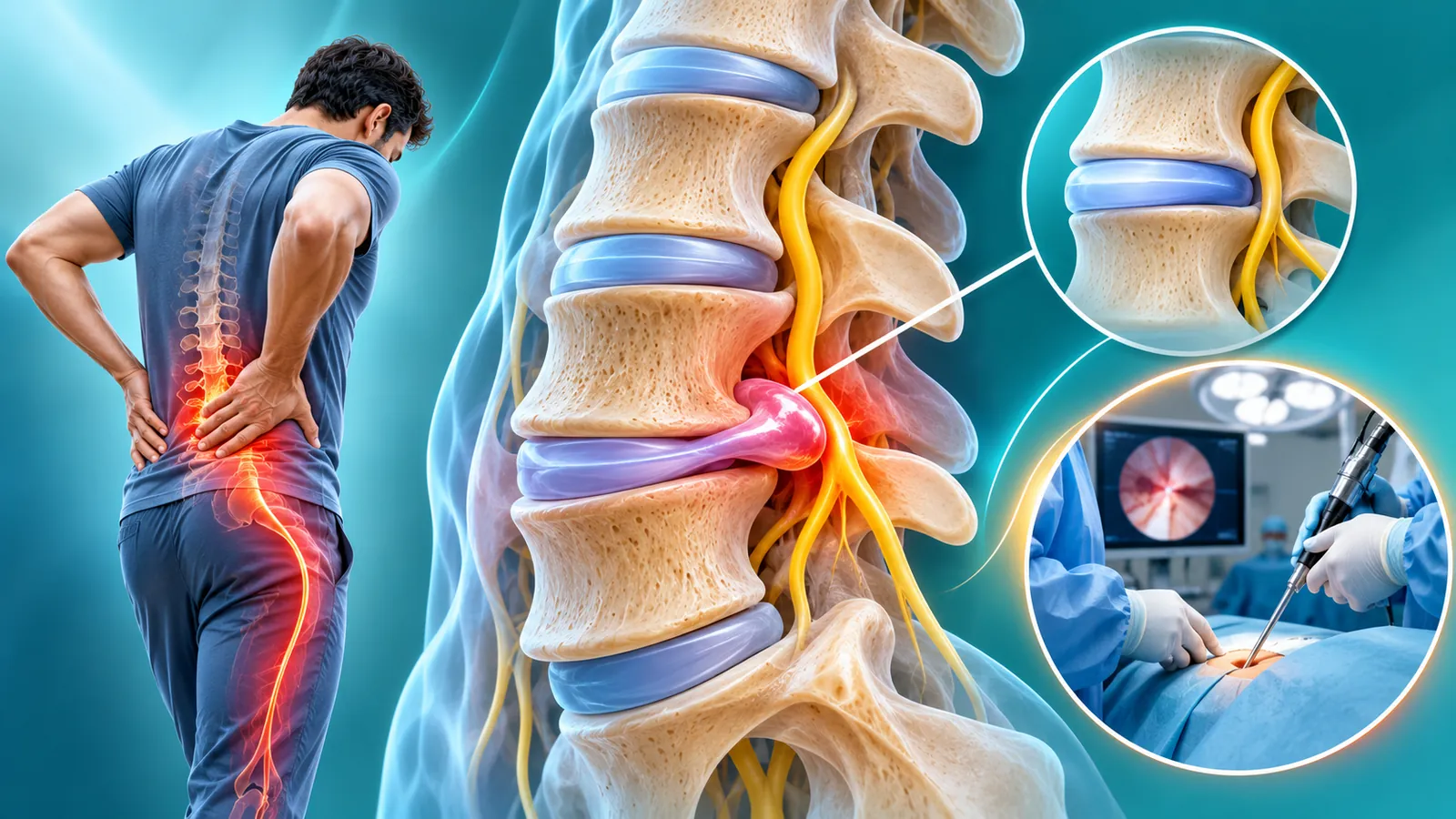
Herniated Disc: When Is Spine Surgery Necessary?
Does a herniated disc need surgery? Learn warning signs, sciatica treatments, MRI findings, microdiscectomy benefits, risks, and recovery timelines.
- Spine
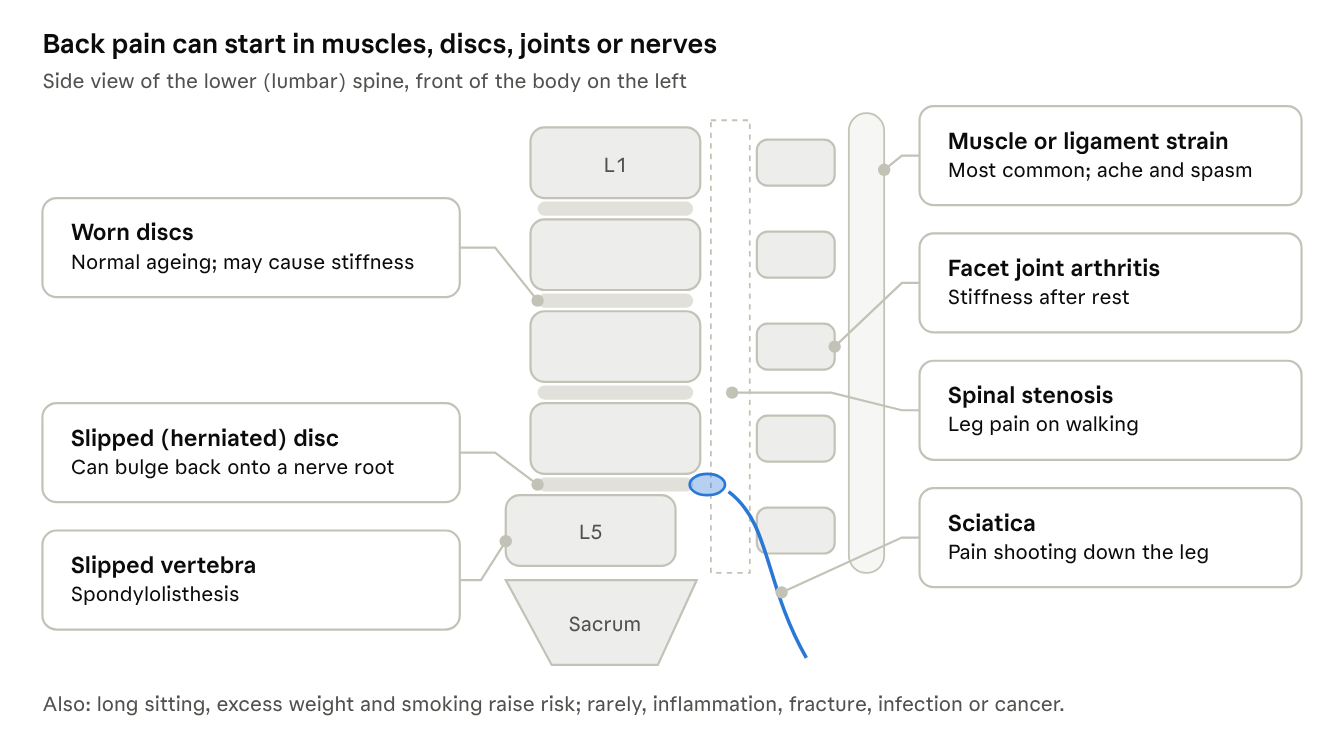
Lower Back Pain: Causes, Treatment, and Exercises That Help
Lower back pain? Learn the common causes, warning signs that need a doctor, treatments that work and 8 simple exercises to ease pain and protect your back.
- Knee
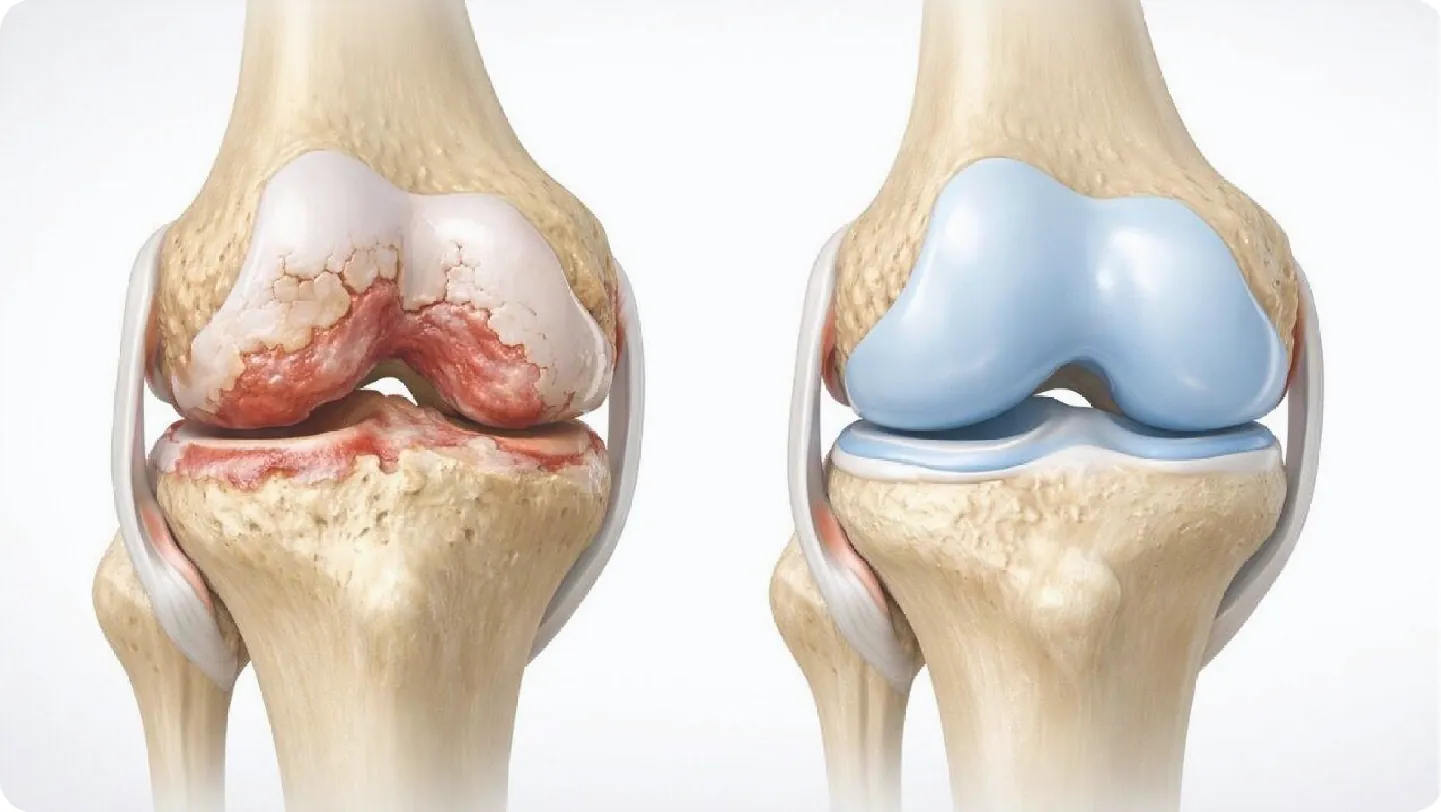
Knee Osteoarthritis: Can You Avoid Surgery? Evidence-Based Treatments That Really Work
An evidence-based guide to non-surgical knee osteoarthritis treatment, pain relief, joint preservation, and when knee replacement may be necessary.